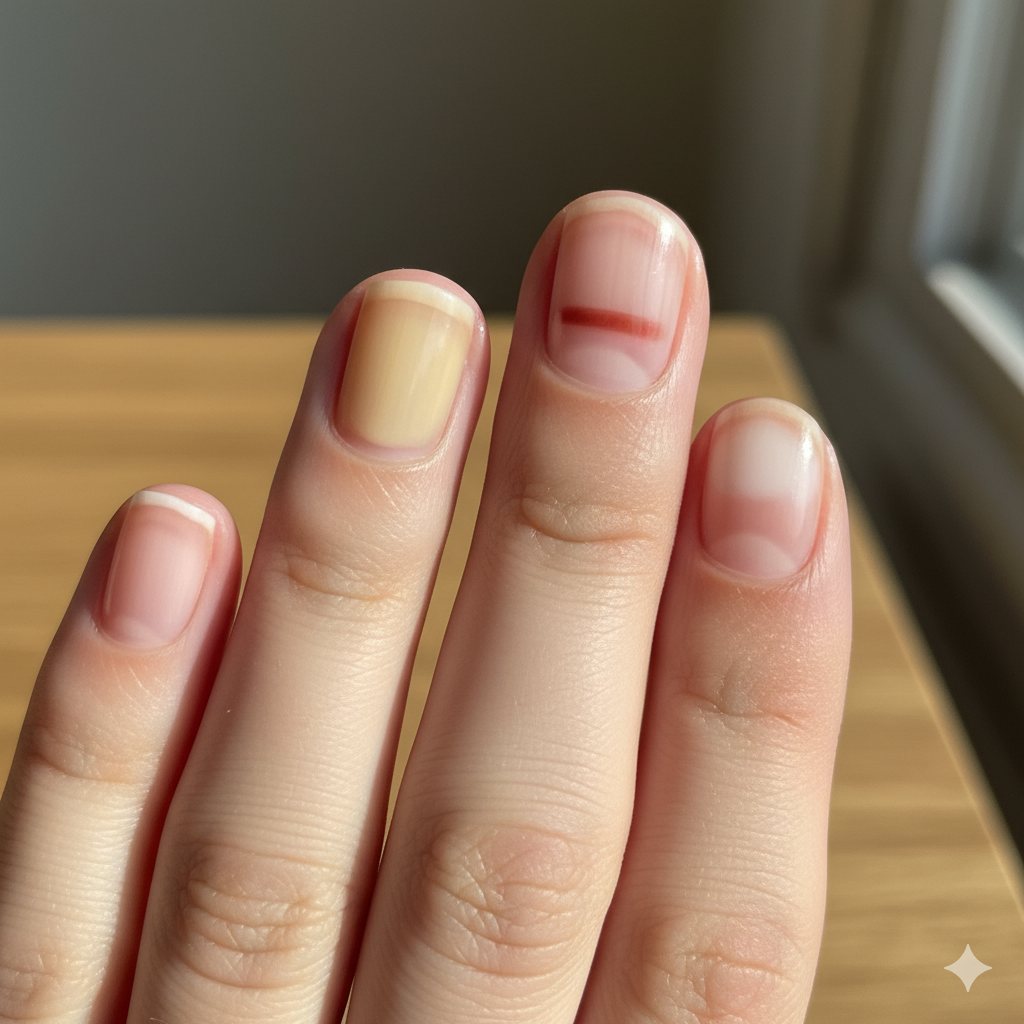
Have you ever looked closely at your nails and noticed subtle changes? Those ridges, spots, or discolorations might seem insignificant, but they could be your body's way of sending important signals about your overall health. As a dermatologist with over 15 years of experience, I've seen countless patients whose nail changes provided the first clue to underlying health issues.
Your nails are more than just fashion accessories—they're windows into your body's internal workings. From nutritional deficiencies to systemic conditions, your nails can reveal what's happening beneath the surface long before other symptoms appear.
Understanding Common Nail Changes
Let's explore some of the most common nail changes and what they might indicate:
Ridges: Vertical vs. Horizontal
Vertical ridges running from cuticle to tip are usually a normal part of aging, much like wrinkles on your skin. However, if they become pronounced suddenly, it might indicate nutrient malabsorption.
Horizontal ridges, also known as Beau's lines, are more concerning. These depressions across the nail can appear after serious illness, injury, or chemotherapy when nail growth temporarily slows. If you notice these without an obvious cause, it could signal uncontrolled diabetes, peripheral vascular disease, or zinc deficiency.
Discoloration: What Those Colors Mean
Nail discoloration can range from harmless to serious:
- Yellow nails are often associated with fungal infections but can also indicate psoriasis, thyroid conditions, or respiratory diseases like chronic bronchitis.
- White spots are typically harmless and result from minor injuries to the nail matrix. However, if most of the nail turns white, it could indicate liver disease, kidney failure, or heart problems.
- Blue or purple nails suggest poor circulation or low oxygen levels in the blood, potentially signaling heart or lung conditions.
- Dark streaks should never be ignored, especially if they appear suddenly, widen, or affect a single nail. These could be benign moles but might also indicate melanoma, the most dangerous form of skin cancer.
Brittleness and Splitting
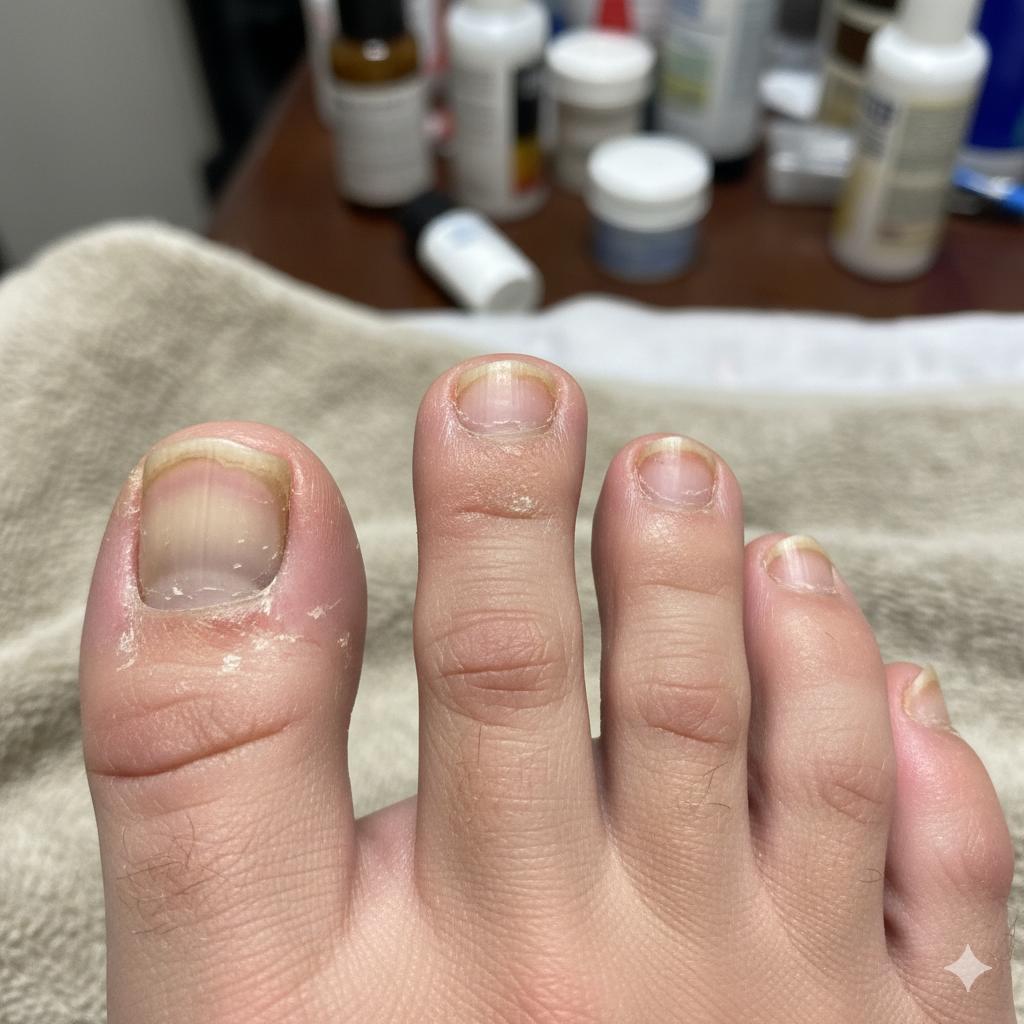
If your nails chip, peel, or split easily, you're not alone. This common issue often results from frequent hand washing, chemical exposure, or aging. However, persistent brittleness might indicate:
- Iron deficiency anemia - One of the most common nutritional causes of brittle nails
- Thyroid disorders - Both hypothyroidism and hyperthyroidism can affect nail health
- Fungal infections - Which make nails crumbly and distorted
Shape Abnormalities
Changes in nail shape can provide important diagnostic clues:
- Spoon nails (koilonychia) - Nails that curve upward at the edges, often indicating iron deficiency anemia or hemochromatosis (iron overload)
- Clubbing - When nails curve downward around enlarged fingertips, potentially signaling lung disease, heart conditions, or inflammatory bowel disease
- Pitting - Small dents in the nail surface, commonly associated with psoriasis
Nutritional Connections
Your nails require specific nutrients to grow strong and healthy. Common deficiencies that manifest in nails include:
- Biotin - Deficiency can cause brittle nails; supplementation has been shown to improve thickness
- Iron - Essential for oxygen transport to nail cells; deficiency causes brittleness and spoon-shaped nails
- Zinc - Important for cell division and growth; deficiency can cause white spots and slow growth
- Protein - Nails are made of keratin, a protein; insufficient intake leads to weak, slow-growing nails
- Vitamin C - Necessary for collagen production; deficiency causes hangnails and inflamed cuticles
When to Seek Medical Attention
While many nail changes are harmless, consult a healthcare provider if you notice:
- Sudden changes in nail color or texture
- Dark streaks that develop quickly
- Nail separation from the bed
- Swelling or pain around nails
- Changes in nail shape accompanied by other symptoms
- Nail changes that persist despite improved self-care
Supporting Nail Health
To maintain healthy nails:
- Eat a balanced diet rich in protein, vitamins, and minerals
- Keep nails clean and dry to prevent infections
- Moisturize nails and cuticles regularly
- Avoid harsh chemicals and excessive manicures
- Wear gloves when cleaning or gardening
- Don't bite nails or pick at cuticles
Remember, your nails are a reflection of your overall health. Paying attention to their changes can help you catch potential health issues early. While this information is educational, always consult with a healthcare professional for proper diagnosis and treatment of concerning nail changes.