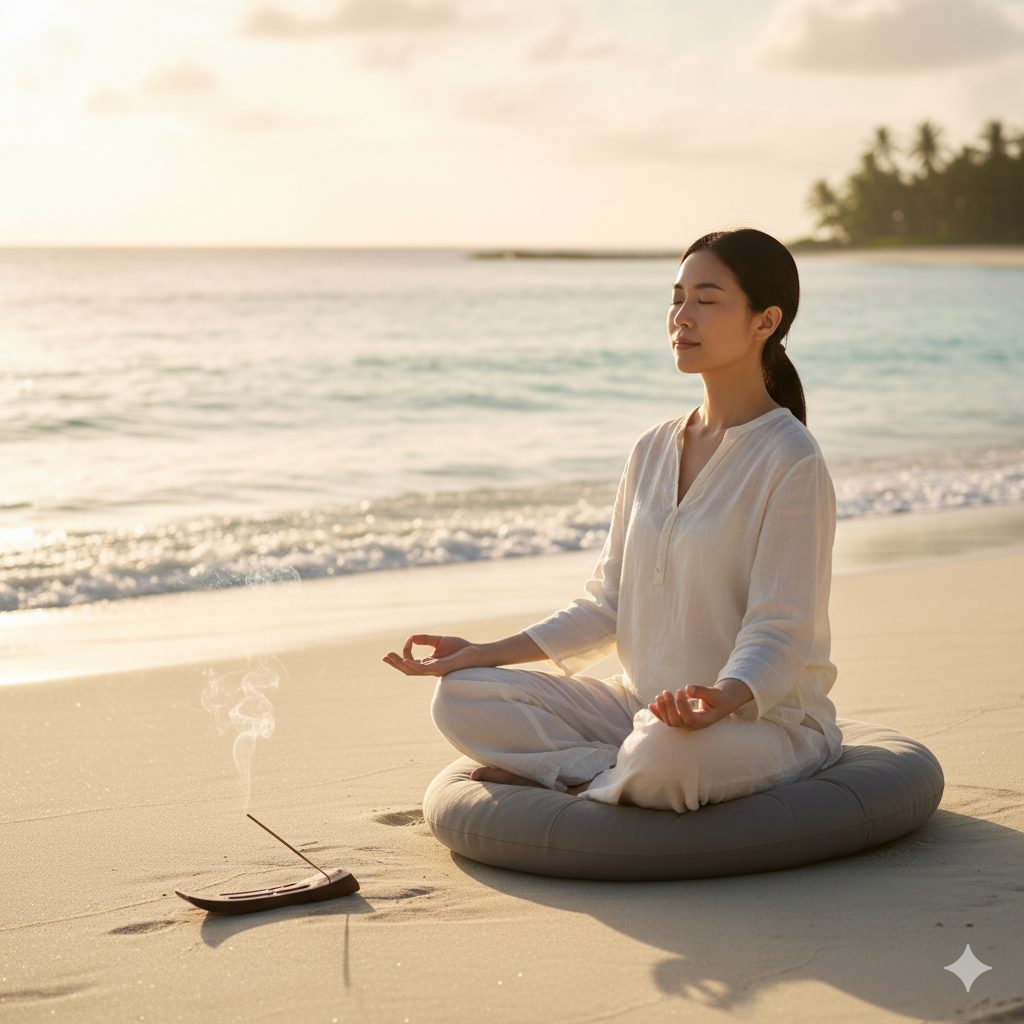
Have you ever noticed how your shoulders tense up when you're stressed, or how anxiety can make your heart race? These physical responses are your body's way of telling you something's wrong. The good news is that you have more power over your stress response than you might think.
The Impact of Chronic Stress
Chronic stress doesn't just make you feel overwhelmed—it can seriously impact both your physical and mental health. From elevated blood pressure and weakened immune function to increased risk of anxiety disorders and depression, the effects are far-reaching. But before you reach for medication, consider that nature offers some powerful solutions.
Research from institutions like Harvard Medical School and the Mayo Clinic confirms that natural approaches can be remarkably effective for managing stress. The best part? These methods don't just mask symptoms—they help build your resilience to life's challenges.
10 Natural Stress-Reduction Techniques
Based on scientific research and clinical experience, here are 10 natural ways to reduce stress and anxiety that you can start implementing today:
-
Diaphragmatic Breathing
Also known as "belly breathing," this technique activates the parasympathetic nervous system, which counteracts the stress response. Try inhaling slowly for 4 counts, holding for 4 counts, and exhaling for 6 counts. Repeat for 5-10 minutes whenever you feel tension building.
-
Mindfulness Meditation
Studies from Johns Hopkins University found that mindfulness meditation can reduce anxiety symptoms by as much as 30%. Start with just 5-10 minutes daily, focusing on your breath and gently bringing your attention back when it wanders.
-
Regular Physical Activity
Exercise isn't just for physical health—it's a powerful stress reliever. Aerobic exercise increases endorphins and reduces stress hormones. Aim for at least 30 minutes most days, whether it's brisk walking, cycling, or dancing.
-
Adaptogenic Herbs
Herbs like ashwagandha, rhodiola, and holy basil have been shown in studies to help the body adapt to stress. Consult with a healthcare provider before starting any new supplement, especially if you have underlying health conditions.
-
Quality Sleep
Sleep and stress exist in a vicious cycle—stress disrupts sleep, and poor sleep increases stress. Establish a consistent sleep schedule and create a relaxing bedtime routine to break this pattern.
-
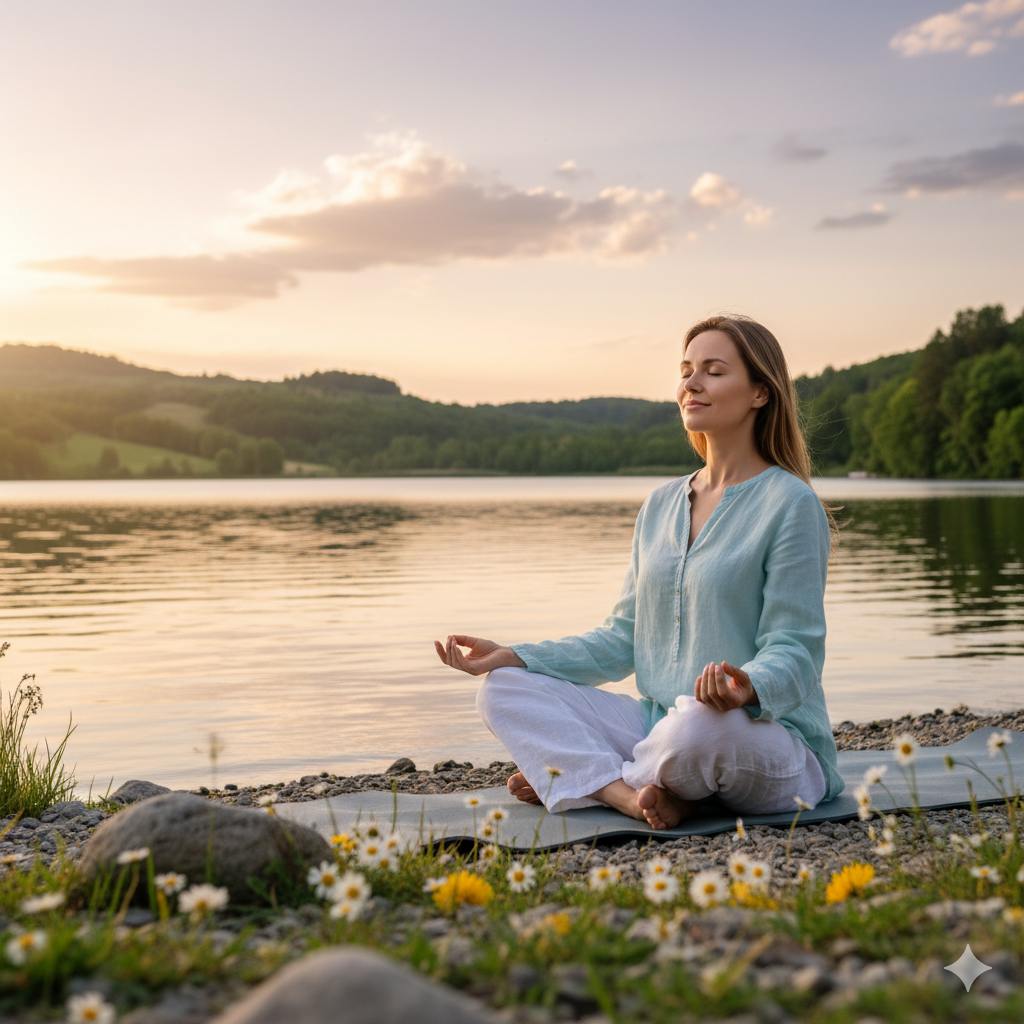
Time in Nature
Japanese researchers have documented that "forest bathing" (spending time in forests) can lower cortisol levels, pulse rate, and blood pressure. Even a 20-minute walk in a park can provide benefits.
-
Progressive Muscle Relaxation
This technique involves systematically tensing and then relaxing different muscle groups. It's particularly helpful for people who carry stress in their bodies as muscle tension.
-
Limit Stimulants
Caffeine and other stimulants can mimic anxiety symptoms and increase cortisol production. If you're sensitive, consider reducing or eliminating caffeine, especially later in the day.
-
Social Connection
Meaningful social interaction releases oxytocin, a natural stress reliever. Make time for friends and family, even when you're busy—it's an investment in your mental health.
-
Gratitude Practice
Research in positive psychology shows that regularly noting things you're grateful for can shift your perspective and reduce stress. Try writing down three things you're thankful for each day.
Making It Work For You
The key to successfully managing stress naturally is consistency and personalization. Not every technique will work equally well for everyone, so experiment to find what resonates with you.
Start with just one or two methods that appeal to you rather than trying to implement everything at once. Even 5-10 minutes daily can make a significant difference in how you respond to stressors.
Remember that these natural approaches work best as preventive measures. Building them into your daily routine can enhance your resilience, making you less reactive to stressors when they inevitably arise.
Frequently Asked Questions
Some techniques like deep breathing can provide immediate relief, while others like adaptogenic herbs or regular meditation may take 2-4 weeks to show noticeable effects. Consistency is key—the more regularly you practice, the more profound and lasting the benefits will be.
Most of the techniques mentioned (breathing, meditation, exercise) are very safe. With herbs and supplements, it's important to consult with a healthcare provider, especially if you're pregnant, nursing, taking medications, or have underlying health conditions. Quality matters with supplements—look for third-party tested products.
For some people with mild to moderate anxiety, natural approaches may be sufficient. However, for diagnosed anxiety disorders or severe symptoms, these methods should be used as complementary approaches alongside professional medical treatment. Never stop prescribed medications without consulting your doctor.