8 Vitamins and Minerals for Healthy Skin
Have you ever wondered why some people seem to have naturally radiant, glowing skin regardless of their age? The secret might not be in their skincare routine, but in their nutrition. Beautiful skin truly starts from within, with specific nutrients playing crucial roles in skin health and appearance.

Vitamin C
Role: Collagen production, antioxidant protection, UV damage defense
Vitamin C is arguably the most critical vitamin for skin health. It's essential for collagen synthesis, the protein that gives skin its structure and firmness. As a powerful antioxidant, it helps neutralize free radicals generated by UV exposure and environmental pollutants.
Top food sources: Citrus fruits, bell peppers, strawberries, broccoli, kiwi
Vitamin E
Role: Moisture retention, UV protection, anti-inflammatory
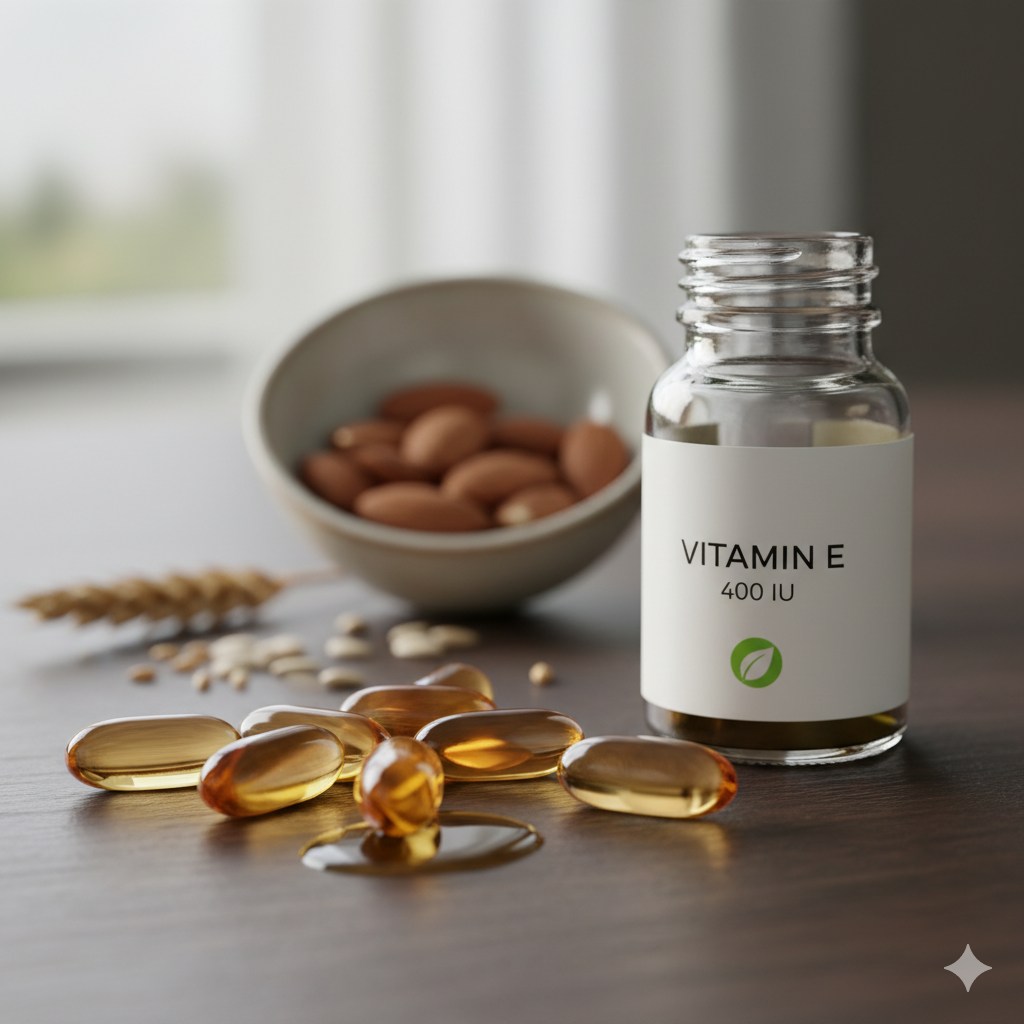
Vitamin E works synergistically with Vitamin C to protect skin from sun damage. It's a fat-soluble antioxidant that helps maintain skin hydration by strengthening the skin's lipid barrier. This vitamin also has anti-inflammatory properties that can soothe irritated skin.
Top food sources: Nuts, seeds, spinach, avocado, sunflower oil
Vitamin A
Role: Cell turnover, acne treatment, wrinkle reduction
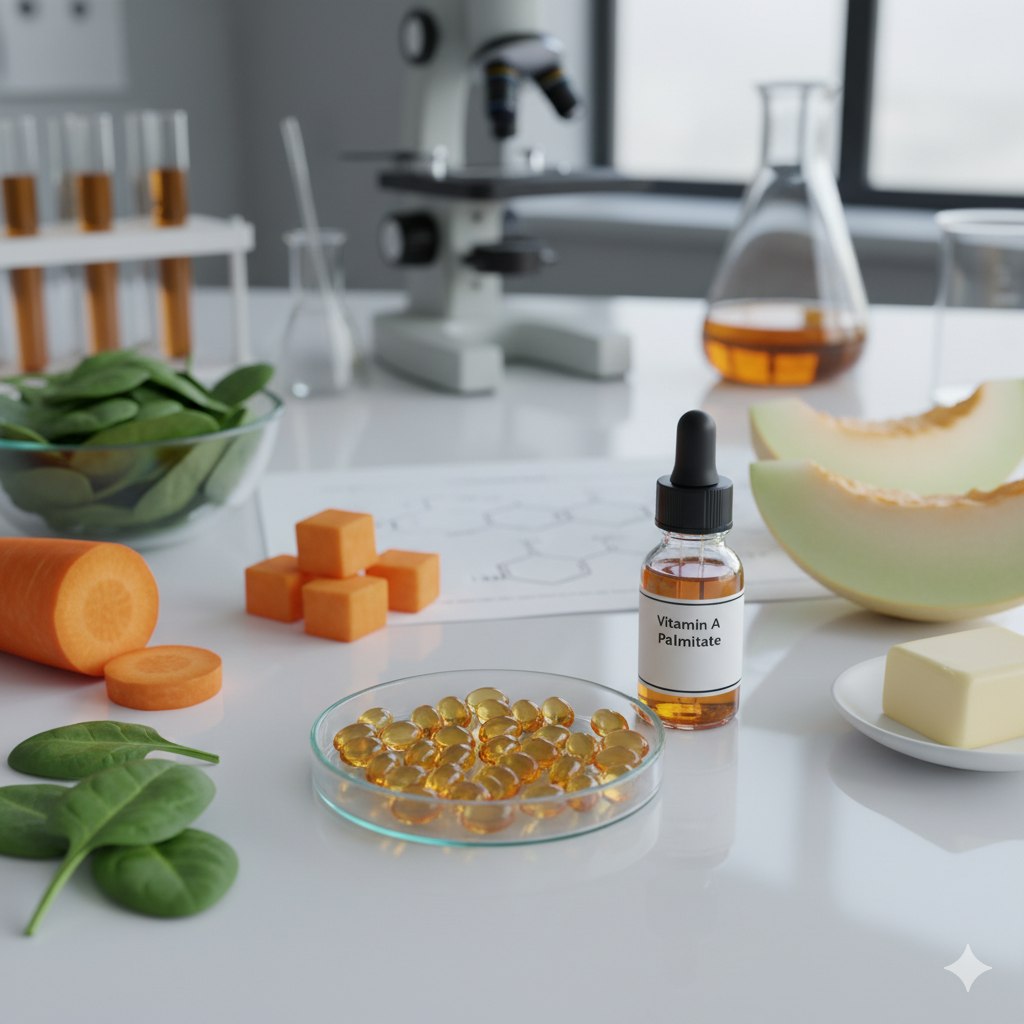
Vitamin A and its derivatives (retinoids) are gold standards in dermatology for promoting skin cell turnover. This process helps unclog pores, reduce acne, and fade hyperpigmentation. Vitamin A also supports the skin's immune system and helps repair skin tissue.
Top food sources: Sweet potatoes, carrots, spinach, eggs, liver

Zinc
Role: Wound healing, anti-inflammatory, oil regulation
Zinc is a multitasking mineral that plays roles in cell division, protein synthesis, and wound healing. It helps control oil production and has anti-inflammatory properties that can calm acne and rosacea. Zinc also protects against UV damage by reducing oxidative stress.
Top food sources: Oysters, beef, pumpkin seeds, lentils, chickpeas

Selenium
Role: Antioxidant protection, elasticity maintenance, cancer prevention
Selenium works with other antioxidants to protect skin from UV radiation and environmental toxins. It helps maintain skin elasticity and may reduce the risk of skin cancer. This mineral is a component of glutathione peroxidase, an enzyme that protects against oxidative damage.
Top food sources: Brazil nuts, tuna, sardines, turkey, eggs

Omega-3 Fatty Acids
Role: Moisture retention, anti-inflammatory, UV protection
While not a vitamin or mineral, omega-3s are essential for skin health. They help maintain the skin's lipid barrier, keeping skin hydrated and plump. Their potent anti-inflammatory properties can calm conditions like eczema, psoriasis, and acne. Omega-3s also offer some protection against sun damage.
Top food sources: Fatty fish, flaxseeds, chia seeds, walnuts, algae

Vitamin D
Role: Cell growth, immune function, psoriasis treatment
Often called the "sunshine vitamin," Vitamin D is crucial for skin cell metabolism and growth. It supports the skin's immune system and helps combat infections. Vitamin D analogs are successfully used in treating psoriasis by slowing the rapid growth of skin cells.
Top food sources: Sunlight, fatty fish, fortified dairy, egg yolks
Copper
Role: Collagen production, antioxidant defense, wound healing
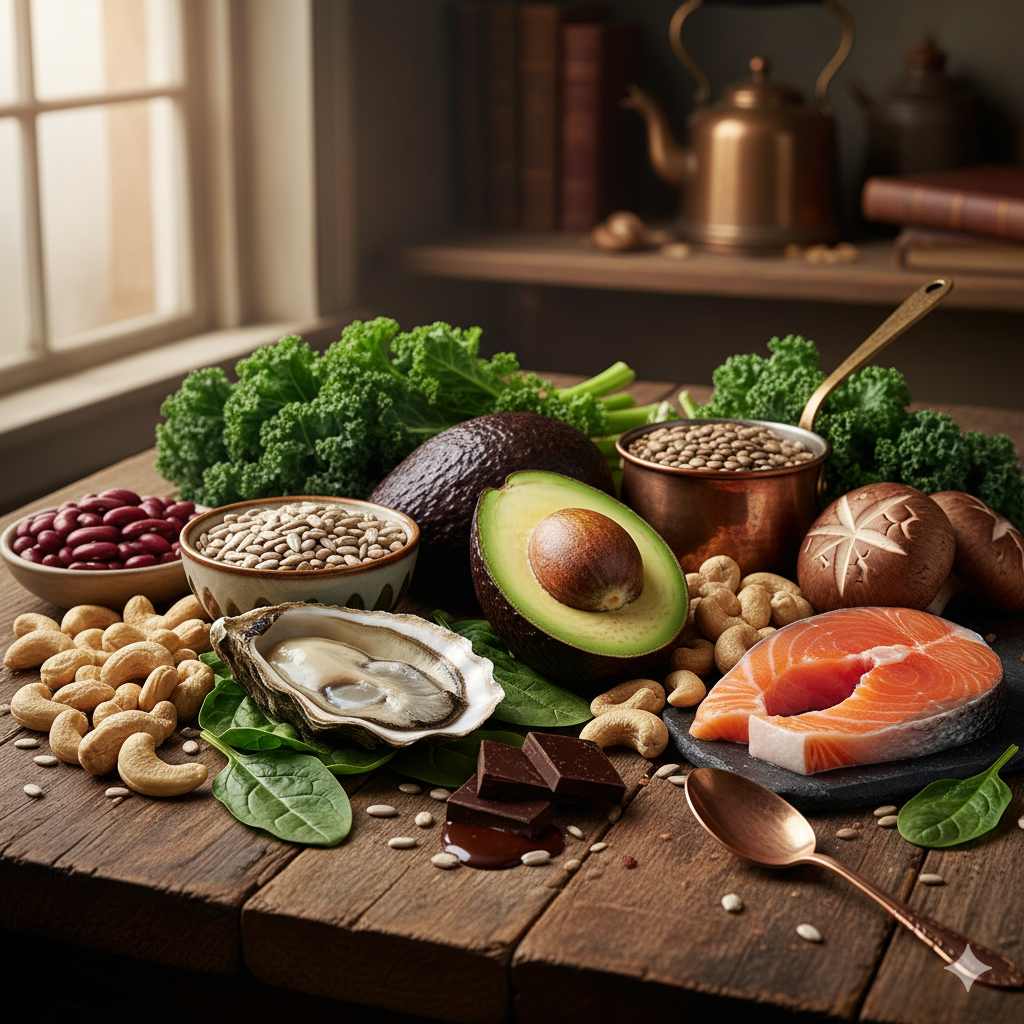
Copper works alongside Vitamin C to develop collagen and elastin, the proteins that give skin its structure and elasticity. It's also involved in antioxidant defense and plays a role in wound healing. Copper peptides are increasingly used in skincare for their anti-aging benefits.
Top food sources: Shellfish, nuts, seeds, whole grains, dark chocolate
Frequently Asked Questions
Can I get all these nutrients from food alone, or do I need supplements?
Asked by: Sarah J.
For most people, a balanced diet rich in fruits, vegetables, lean proteins, and healthy fats can provide adequate skin-nourishing nutrients. However, some individuals with specific deficiencies, dietary restrictions, or medical conditions may benefit from supplements. Always consult with a healthcare provider before starting any supplement regimen, as excessive intake of certain vitamins and minerals can be harmful.
How long does it take to see improvements in my skin after changing my diet?
Asked by: Michael T.
Skin cell turnover takes approximately 28-40 days, so you might begin to see subtle improvements within 4-6 weeks of consistent dietary changes. However, significant changes to skin texture, hydration, and overall radiance may take 3-6 months. Remember that skin health is also influenced by other factors like sleep, stress management, and proper skincare.
Are there any specific foods I should avoid for better skin health?
Asked by: Jessica L.
While focusing on nutrient-rich foods is important, some foods may exacerbate skin issues for certain individuals. Common triggers include highly processed foods, refined sugars, and dairy products (for those sensitive). However, reactions are highly individual. Keeping a food diary can help identify personal triggers. The most beneficial approach is emphasizing whole, nutrient-dense foods while minimizing processed items.