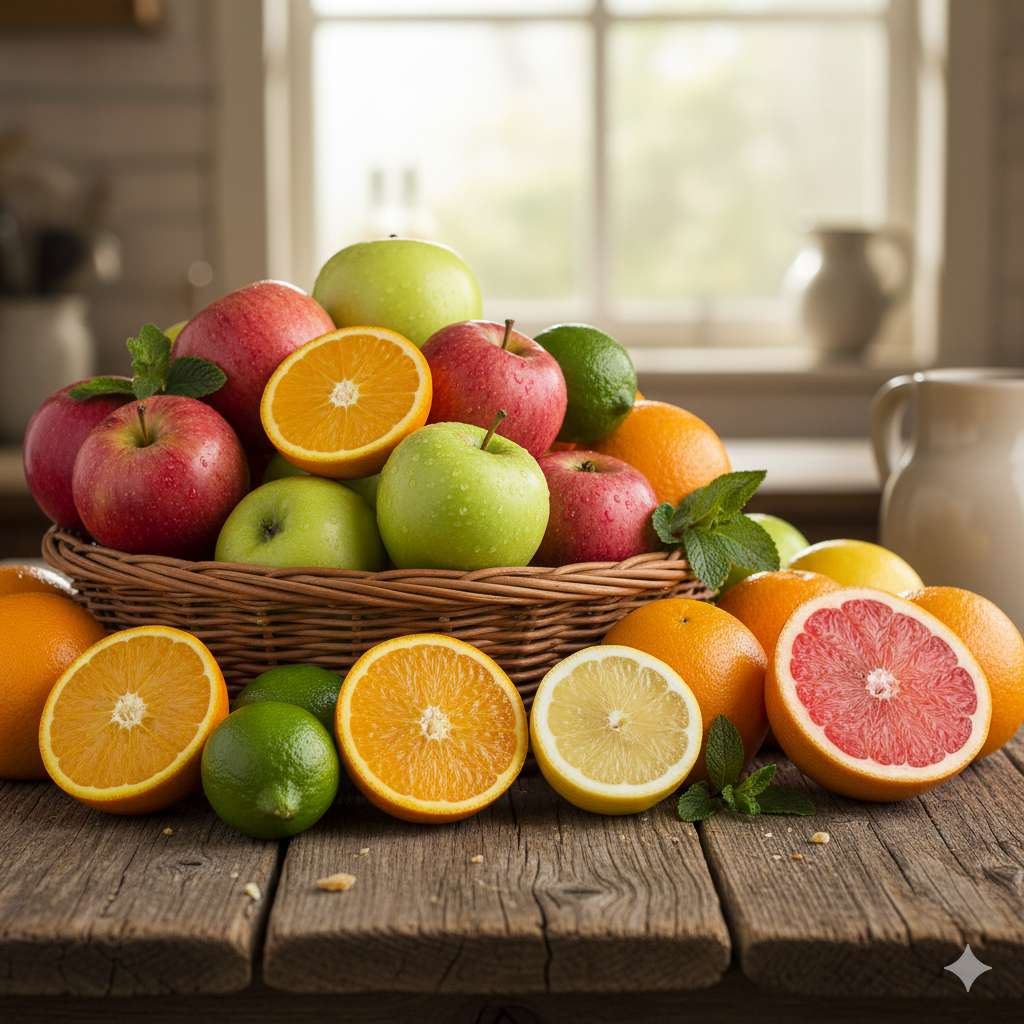
What if I told you that the most potent sources of vitamin C aren't found in the citrus aisle? While oranges have long been the poster child for this essential nutrient, a world of vibrant, vitamin-packed alternatives awaits discovery.
Vitamin C is crucial for immune function, collagen synthesis, and antioxidant protection. Yet many people limit their intake to citrus fruits, unaware of the diverse range of foods that provide even more vitamin C than oranges. In this comprehensive guide, we'll explore unexpected vitamin C powerhouses and practical ways to incorporate them into your diet.
Why Vitamin C Matters More Than You Think
Beyond its well-known role in immune support, vitamin C serves as a powerful antioxidant that protects cells from damage caused by free radicals. It's essential for producing collagen, the protein that gives structure to your skin, bones, tendons, and ligaments. Additionally, vitamin C enhances iron absorption from plant-based foods and supports neurotransmitter production for optimal brain function.
The recommended daily intake of vitamin C is 75mg for women and 90mg for men, with an additional 35mg for smokers due to increased oxidative stress.
Unexpected Vitamin C Powerhouses
While a medium orange provides about 70mg of vitamin C, these surprising foods deliver even more:
Bell Peppers
One cup of chopped red bell pepper delivers a staggering 190mg of vitamin C—nearly three times the amount in an orange. Yellow and green varieties also offer impressive amounts.
Guava
This tropical fruit packs over 200mg of vitamin C in just one fruit, making it one of the most concentrated natural sources available.
Kiwi
Two kiwis provide about 128mg of vitamin C, along with beneficial fiber and other nutrients that support digestive health.
Broccoli
One cup of cooked broccoli contains about 100mg of vitamin C, plus fiber, vitamin K, and cancer-fighting compounds.
Strawberries
One cup of sliced strawberries offers nearly 100mg of vitamin C, along with antioxidants that support heart health.
Papaya
One small papaya provides over 95mg of vitamin C and contains the enzyme papain, which aids digestion.
Herbs: The Overlooked Vitamin C Sources
Fresh herbs can contribute significantly to your daily vitamin C intake. Just one tablespoon of fresh thyme provides about 1.5mg, while parsley offers 5mg per tablespoon. Though these amounts seem small, they add up when used generously in cooking.
Preserving Vitamin C in Your Foods
Vitamin C is water-soluble and sensitive to heat, light, and air. To maximize retention:
- Choose fresh over processed: Canned and processed foods often have significantly reduced vitamin C content.
- Store properly: Keep fruits and vegetables in cool, dark places and consume them soon after purchase.
- Cook wisely: Steam or microwave vegetables instead of boiling to minimize nutrient loss in cooking water.
- Don't over-prepare: Cut fruits and vegetables just before eating to reduce exposure to oxygen.
Creative Ways to Boost Your Vitamin C Intake
Incorporating more vitamin C-rich foods into your diet can be both delicious and simple:
- Colorful salads: Mix bell peppers, broccoli, and strawberries with leafy greens for a vitamin C powerhouse meal.
- Herb-infused waters: Add fresh thyme, parsley, or citrus slices to your water for a nutrient boost.
- Fruit salsa: Combine diced kiwi, papaya, and strawberries with lime juice and cilantro for a refreshing topping.
- Roasted vegetables: Toss broccoli and bell peppers with olive oil and roast until tender-crisp to preserve nutrients.
- Smoothie bowls: Blend frozen guava, kiwi, and strawberries with yogurt for a vitamin-packed breakfast.
Pair vitamin C-rich foods with iron sources like spinach or lentils to enhance iron absorption—a particularly important strategy for vegetarians and those with iron deficiency.
Frequently Asked Questions
Can you get too much vitamin C from food sources?
It's extremely difficult to consume toxic amounts of vitamin C from food alone. The body excretes excess water-soluble vitamins through urine. However, extremely high doses from supplements (over 2,000mg daily) may cause digestive discomfort. Focus on obtaining vitamin C through a varied diet rather than megadose supplements.
Are cooked vegetables still good sources of vitamin C?
While cooking does reduce vitamin C content, many cooked vegetables remain excellent sources. For example, one cup of cooked broccoli still provides about 100mg of vitamin C. Light steaming, roasting, or microwaving preserves more nutrients than boiling. Including a mix of raw and lightly cooked vegetables in your diet ensures optimal vitamin C intake.
Do vitamin C supplements work as well as food sources?
While supplements can help meet basic requirements, whole foods offer synergistic benefits. Vitamin C in foods comes packaged with other beneficial compounds like flavonoids and fiber that enhance its absorption and effectiveness. For optimal health, prioritize food sources and consider supplements only when dietary intake is consistently inadequate or during times of increased need.