Exercise for Seniors: Safe and Effective Routines
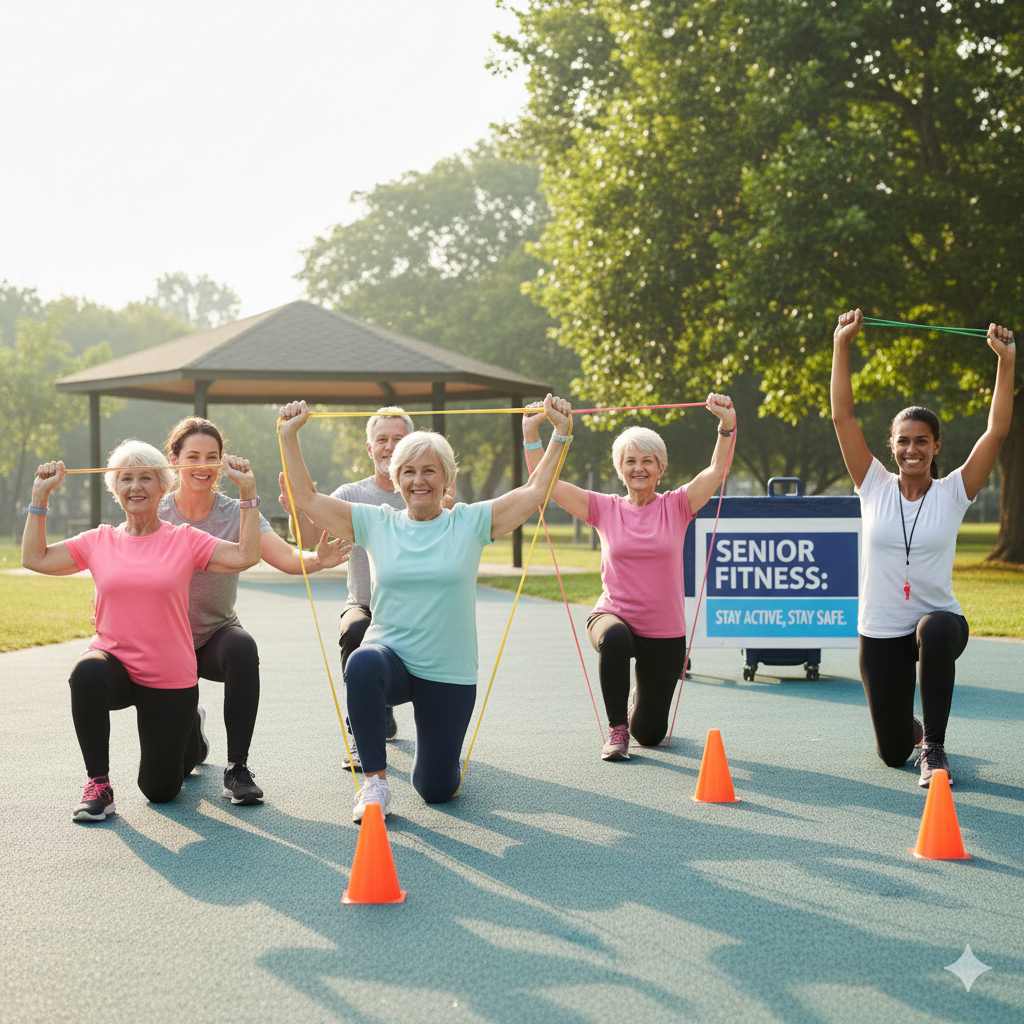
What if I told you that the fountain of youth isn't a mythical spring, but something you can tap into right in your living room? As we age, our bodies undergo remarkable changes, but one truth remains constant: movement is medicine. The right exercise routine can transform your golden years into your most vibrant, active, and independent chapter yet.
Staying active is crucial for healthy aging, but exercise needs do change with advancing years. The good news is that it's never too late to start. Whether you're 65 or 85, your body responds positively to appropriate physical activity. The key is finding safe, effective workout routines specifically designed for older adults that address mobility, balance, strength, and cardiovascular health.
The Four Pillars of Senior Fitness
1. Mobility and Flexibility
Maintaining range of motion in your joints is fundamental to performing everyday activities with ease. As we age, connective tissues naturally lose elasticity, making flexibility exercises essential.
- Gentle neck tilts and rotations
- Shoulder rolls and arm circles
- Seated hamstring stretches
- Calf stretches while holding onto a chair
- Ankle circles and pointing/flexing feet
Aim to perform these movements daily, holding stretches for 15-30 seconds without bouncing. The goal is mild tension, never pain.
2. Balance Training
According to the CDC, falls are the leading cause of injury among older adults. Balance exercises can significantly reduce this risk.
- Heel-to-toe walking
- Standing on one foot (with support nearby)
- Tai Chi movements
- Shifting weight from side to side
- Rising onto toes and lowering slowly
Always perform balance exercises near a sturdy chair or counter that you can hold onto for support. Consider having someone nearby when trying new balance challenges.
3. Strength Building
Muscle mass naturally declines with age, but resistance training can counteract this process. Strong muscles support joints, improve metabolism, and make daily tasks easier.
- Chair squats (standing up and sitting down slowly)
- Wall push-ups
- Bicep curls with light weights or resistance bands
- Seated leg extensions
- Heel raises while holding onto a chair
Focus on proper form rather than heavy weights. Start with 1-2 sets of 10-15 repetitions, resting between sets. Strength training 2-3 times per week on non-consecutive days allows muscles to recover.
4. Cardiovascular Health
A healthy heart and lungs are vital at any age. Cardiovascular exercise improves circulation, boosts mood, and enhances overall endurance.
- Brisk walking (outdoors or on a treadmill)
- Stationary cycling
- Swimming or water aerobics
- Low-impact dance movements
- Seated marching with arm movements
Aim for at least 150 minutes of moderate-intensity cardio per week, as recommended by the American Heart Association. You can break this into manageable 10-15 minute sessions throughout the day.
Adapting Exercises for Common Conditions
Many seniors manage chronic conditions that require exercise modifications. Here's how to adapt your routine safely:
For Arthritis: Choose low-impact activities like swimming or cycling. Avoid high-impact exercises that jar the joints. Move through a comfortable range of motion without forcing movements that cause pain.
For Osteoporosis: Focus on weight-bearing exercises like walking to maintain bone density. Avoid forward bending and twisting motions that could increase fracture risk. Strength training is particularly beneficial.
For Heart Conditions: Start slowly and gradually increase intensity. Monitor your exertion level using the "talk test" - you should be able to carry on a conversation while exercising. Always follow your doctor's specific recommendations.
For Diabetes: Regular activity helps control blood sugar levels. Check your levels before and after exercise, especially if you take insulin. Keep a fast-acting carbohydrate source nearby in case of low blood sugar.
Injury Prevention Strategies
Safety should always be your top priority when exercising as a senior. Follow these guidelines to prevent injuries:
- Always warm up for 5-10 minutes before exercising and cool down afterward
- Stay hydrated by drinking water before, during, and after your workout
- Wear proper footwear with good support and non-slip soles
- Listen to your body - discomfort is normal, but sharp pain is a warning sign
- Progress gradually - increase intensity, duration, or frequency slowly over weeks, not days
- Include rest days in your routine to allow your body to recover
Before starting any new exercise program, consult with your healthcare provider, especially if you have pre-existing health conditions or have been inactive for an extended period.
Maintaining Independence Through Fitness
The ultimate goal of senior exercise isn't just about adding years to your life, but adding life to your years. Regular physical activity directly supports independence by:
- Improving balance to prevent falls
- Maintaining strength for daily tasks like carrying groceries or getting up from a chair
- Enhancing flexibility for dressing, bathing, and household chores
- Boosting cardiovascular health for sustained energy throughout the day
- Supporting cognitive function and mood
Remember that every body is different. What works for one person may need adjustment for another. The best exercise routine is one that you enjoy and can stick with consistently. Whether it's joining a senior fitness class, walking with friends, or following along with a video at home, find activities that bring you joy while keeping you active.
Frequently Asked Questions
Great question, Margaret. With knee arthritis, it's best to avoid high-impact activities like running, jumping, or high-impact aerobics. Also be cautious with deep squats or lunges that place significant stress on the knee joint. Instead, focus on low-impact options like swimming, stationary cycling, or using an elliptical machine. Strength training that targets the muscles around the knee (like straight leg raises) can provide additional support. Always work within a pain-free range of motion.
Robert, this is an important safety consideration. For moderate-intensity exercise, you should be able to talk but not sing during the activity. Your breathing will be quicker than normal, but you shouldn't be gasping for air. Another method is the Rate of Perceived Exertion (RPE) scale where 0 is sitting still and 10 is maximum effort. Aim for 4-6 on this scale. If you have a heart condition, your doctor might recommend using a heart rate monitor with specific target zones. Remember the "start low and go slow" principle - it's better to underestimate your ability initially than to overdo it.
Eleanor, congratulations on taking this important step! Begin with a focus on gentle movement and establishing consistency. Start with just 5-10 minutes of activity per day. Walking is an excellent starting point - even around your home. Chair exercises are another wonderful option as they provide support while you build strength and confidence. Consider consulting with a physical therapist or certified senior fitness instructor who can assess your current abilities and create a personalized plan. The most important thing is to begin where you are, not where you think you should be. Every small movement counts!