Did you know that nearly half of all adults in the United States have high blood pressure, yet many don't even realize it? This silent condition quietly damages blood vessels and increases your risk for heart attack, stroke, and kidney disease. The good news is that you have more control over your blood pressure than you might think.
As a practicing cardiologist for over 15 years, I've witnessed firsthand how lifestyle modifications can dramatically transform my patients' health. In many cases, these changes are so effective that patients can reduce or even eliminate their need for blood pressure medications under proper medical supervision.
The Power of Dietary Changes
What you eat plays a crucial role in managing blood pressure. The right foods can help your blood vessels relax, reduce inflammation, and balance fluid levels in your body—all of which contribute to healthier blood pressure readings.
The DASH Diet: Your Blueprint for Success
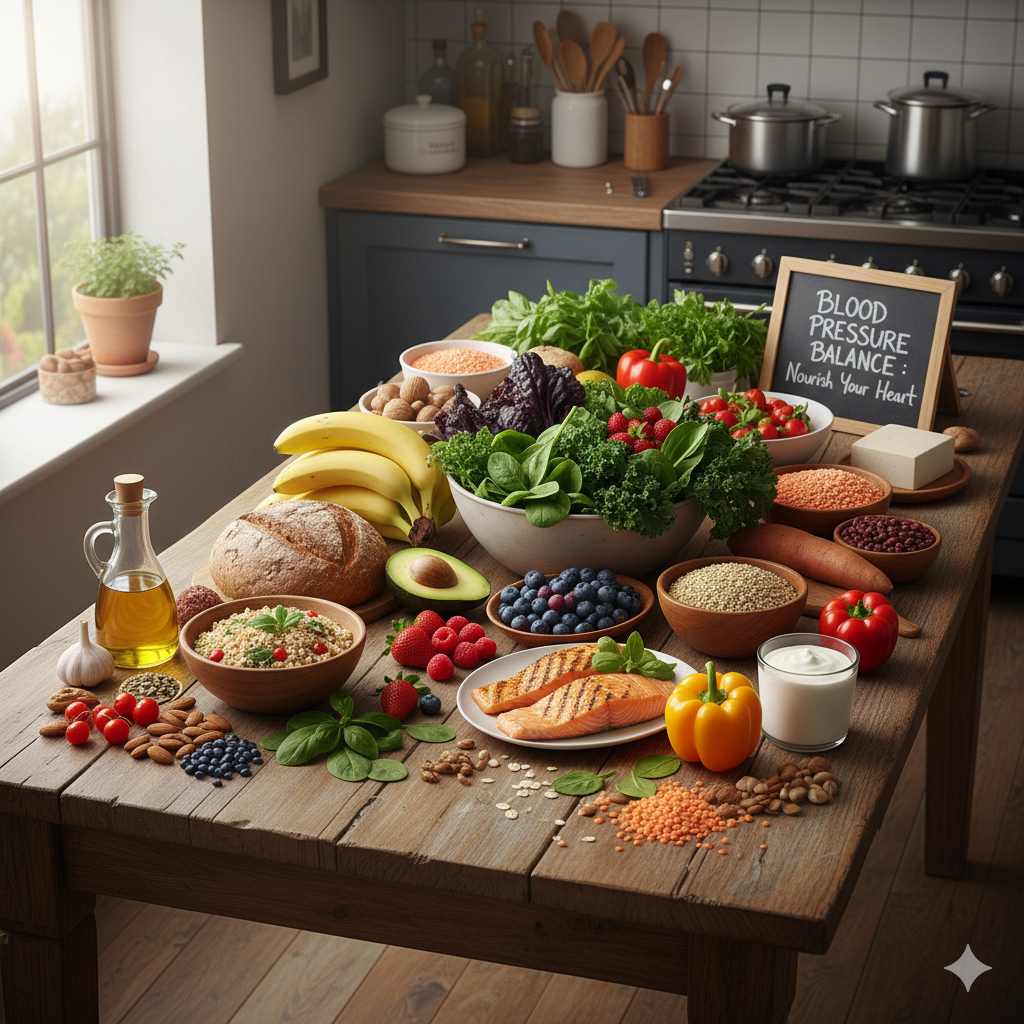
The Dietary Approaches to Stop Hypertension (DASH) diet is specifically designed to combat high blood pressure. This eating plan emphasizes fruits, vegetables, whole grains, lean proteins, and low-fat dairy while limiting saturated fat, cholesterol, and refined sugars.
Key principles of the DASH diet include:
- 7-8 servings of grains daily (preferably whole grains)
- 4-5 servings each of fruits and vegetables
- 2-3 servings of low-fat dairy
- 6 or fewer ounces of lean meat, poultry, or fish
- 4-5 servings per week of nuts, seeds, and legumes
- Limited sweets and added sugars
Smart Sodium Alternatives
Reducing sodium intake is one of the most effective ways to lower blood pressure. The American Heart Association recommends no more than 2,300 milligrams per day, with an ideal limit of 1,500 mg for most adults.
Instead of reaching for the salt shaker, try these flavorful alternatives:
- Herbs and spices: Fresh or dried basil, oregano, rosemary, thyme, cumin, and paprika add depth without sodium.
- Citrus juices: Lemon, lime, and orange juice can brighten up dishes.
- Vinegars: Balsamic, apple cider, and red wine vinegar provide tangy flavor.
- Aromatics: Garlic, onions, shallots, and ginger form a flavorful foundation for meals.
- Spice blends: Create your own salt-free seasoning mixes.
Exercise: Your Natural Blood Pressure Regulator
Regular physical activity makes your heart stronger. A stronger heart can pump more blood with less effort, which decreases the force on your arteries and lowers your blood pressure.

The most effective exercises for blood pressure management include:
- Aerobic exercise: Aim for at least 150 minutes per week of moderate-intensity activities like brisk walking, cycling, swimming, or dancing.
- Strength training: Incorporate resistance exercises at least two days per week. Focus on major muscle groups.
- High-Intensity Interval Training (HIIT): Short bursts of intense activity followed by recovery periods can be particularly effective.
- Yoga and tai chi: These mind-body practices combine physical movement with stress reduction.
Stress Reduction: The Often Overlooked Factor
Chronic stress contributes to high blood pressure by keeping your body in a constant state of "fight or flight." When you're stressed, your heart beats faster and your blood vessels constrict.
Incorporate these stress-reducing activities into your routine:
- Mindfulness meditation (even 10 minutes daily can make a difference)
- Deep breathing exercises
- Progressive muscle relaxation
- Spending time in nature
- Engaging in hobbies you enjoy
Creating Your Action Plan
Making lasting changes requires a strategic approach. Start with one or two modifications at a time rather than attempting a complete overhaul overnight. Track your blood pressure regularly to see how these changes affect your readings.
Remember to consult with your healthcare provider before making significant changes to your diet or exercise routine, especially if you're currently taking blood pressure medications. They can help you create a personalized plan that addresses your specific health needs.
With consistent effort, these natural approaches can help you gain better control of your blood pressure and reduce your dependence on medication. Your cardiovascular system will thank you for years to come.
Frequently Asked Questions
Most people begin to see improvements in their blood pressure within 2-4 weeks of consistently implementing dietary changes and exercise. However, maximum benefits typically occur after 3-6 months of sustained effort. The DASH diet, for example, has been shown to lower blood pressure in as little as two weeks.
While no single food needs to be completely eliminated, certain items should be consumed sparingly. These include processed foods (which are often high in sodium), canned soups, deli meats, frozen dinners, salty snacks, and foods high in saturated and trans fats. Alcohol should also be limited, as excessive consumption can raise blood pressure.
Never stop taking prescribed blood pressure medication without consulting your doctor. While lifestyle changes can significantly improve blood pressure, medication adjustments should only be made under medical supervision. Your doctor can gradually reduce your dosage if your blood pressure remains consistently within a healthy range through lifestyle modifications.