Have you ever had a "gut feeling" about something or felt "butterflies" in your stomach when nervous? These common expressions point to a profound biological truth: your gut and brain are in constant, intimate communication.
Emerging research is revealing a powerful bidirectional communication system between your gut and brain that influences everything from your mood to your decision-making processes. This connection, known as the gut-brain axis, represents one of the most exciting frontiers in both neuroscience and gastroenterology.
The Science Behind the Gut-Brain Axis
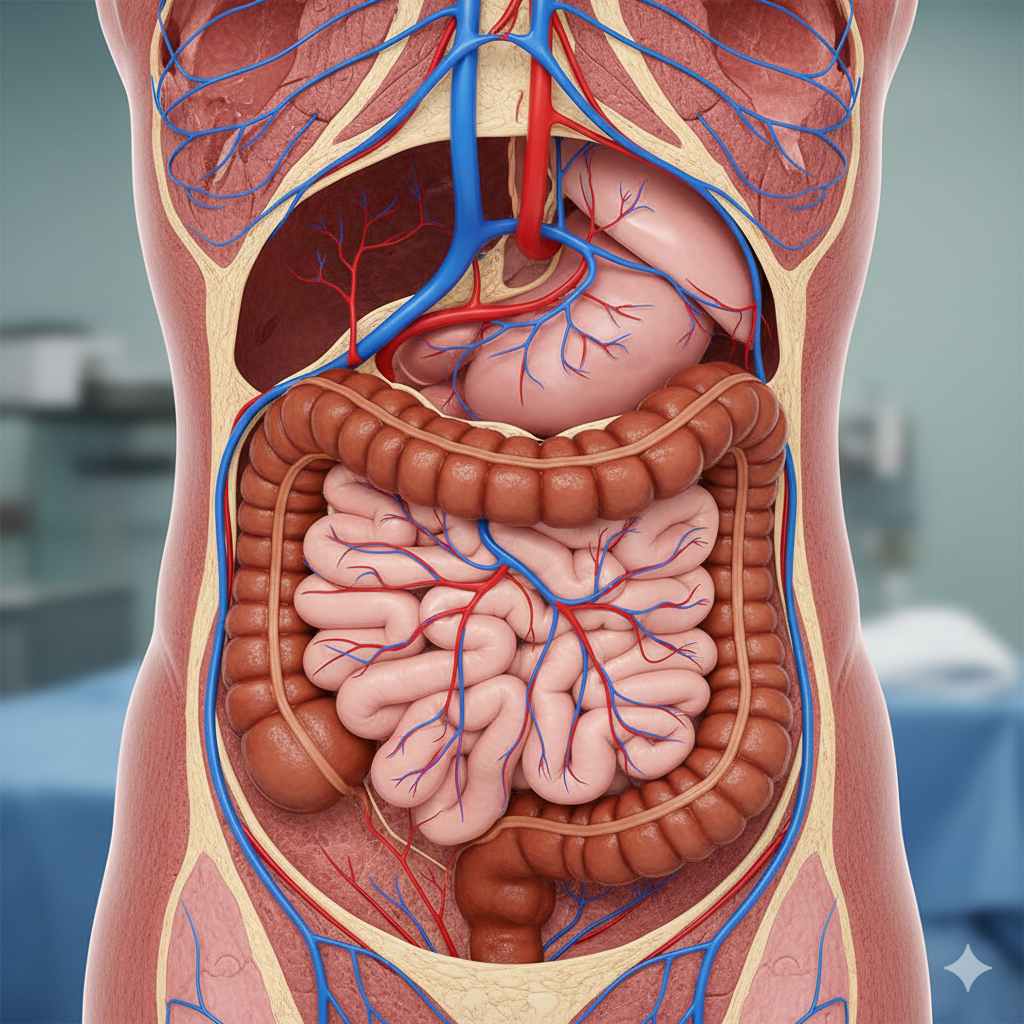
The gut-brain axis isn't just a metaphorical connection—it's a physical one. Your gut and brain are linked through multiple pathways, including:
- The Vagus Nerve: This is the longest cranial nerve, creating a direct information superhighway between your brain and digestive system.
- Neurotransmitters: Your gut produces about 90% of your body's serotonin—the "feel-good" neurotransmitter—along with numerous other brain chemicals.
- Gut Microbes: The trillions of bacteria in your gut produce neuroactive compounds that can influence brain function.
- Immune System: Gut health directly impacts systemic inflammation, which is increasingly linked to mood disorders.
How Gut Health Influences Mental Wellbeing
The state of your gut microbiome—the community of microorganisms living in your digestive tract—has profound implications for your mental health. Research from institutions like Johns Hopkins and UCLA has demonstrated that:
Mood Regulation
Your gut bacteria play a crucial role in producing and regulating neurotransmitters like serotonin, dopamine, and GABA—all essential for mood stability. An imbalance in gut bacteria has been linked to increased risk of depression and anxiety.
Stress Response
Studies show that people with healthier gut microbiomes tend to have lower cortisol levels (the primary stress hormone) and recover from stressful events more quickly.
Cognitive Function
Your gut health may influence memory, focus, and even protect against neurodegenerative conditions. The inflammatory signals originating in an unhealthy gut can contribute to brain fog and cognitive decline.
Clinical Insight: In my practice, I've observed that patients who address their gut health often report improvements in anxiety and mood before we see changes in their digestive symptoms. This underscores how directly the gut influences mental state.
Practical Strategies to Support the Mind-Gut Connection
The good news is that you can actively cultivate a healthier gut-brain relationship through simple, evidence-based approaches:
Foods That Feed Your Brain and Gut
- Fermented Foods: Yogurt, kefir, kimchi, and sauerkraut introduce beneficial probiotics.
- Prebiotic-Rich Foods: Garlic, onions, asparagus, and bananas feed your good gut bacteria.
- Omega-3 Fatty Acids: Found in fatty fish, walnuts, and flaxseeds, these reduce inflammation throughout the body, including the brain.
- Polyphenol-Rich Foods: Berries, dark chocolate, and green tea support microbial diversity.
Lifestyle Habits for Gut-Brain Harmony
- Mindful Eating: Chew thoroughly and eat without distractions to support optimal digestion.
- Stress Management: Practice meditation, deep breathing, or yoga to calm both mind and gut.
- Regular Exercise: Physical activity promotes microbial diversity and reduces inflammation.
- Prioritize Sleep: Quality sleep allows your gut lining to repair and supports healthy brain function.
Supplements That Can Help
While food should always come first, certain supplements can support the gut-brain axis:
- Probiotics: Specific strains like Lactobacillus helveticus and Bifidobacterium longum have shown promise for mental health.
- Omega-3 Supplements: When dietary sources are insufficient.
- L-Theanine: Found in green tea, this amino acid promotes relaxation without drowsiness.
- Curcumin: The active compound in turmeric has potent anti-inflammatory effects.
Frequently Asked Questions
Most people begin noticing subtle changes in mood and energy within 2-4 weeks of consistently implementing gut-supportive dietary changes. However, significant microbiome shifts typically take 3-6 months of consistent practice. The timeline varies based on your starting point and how comprehensively you address both diet and lifestyle factors.
For some individuals with mild to moderate anxiety, gut-focused interventions can significantly reduce symptoms—sometimes eliminating the need for medication. However, this should always be done under medical supervision, especially if you're currently taking prescribed medications. Severe anxiety typically requires a multifaceted approach that may include therapy, medication, and lifestyle interventions.
Yes, several tests can provide insights, including comprehensive stool analysis, intestinal permeability tests, and blood tests measuring inflammatory markers. However, I generally recommend starting with dietary and lifestyle interventions before pursuing testing, as many gut issues respond well to basic protocol changes. Testing becomes more valuable when simple approaches don't yield results or when specific conditions are suspected.