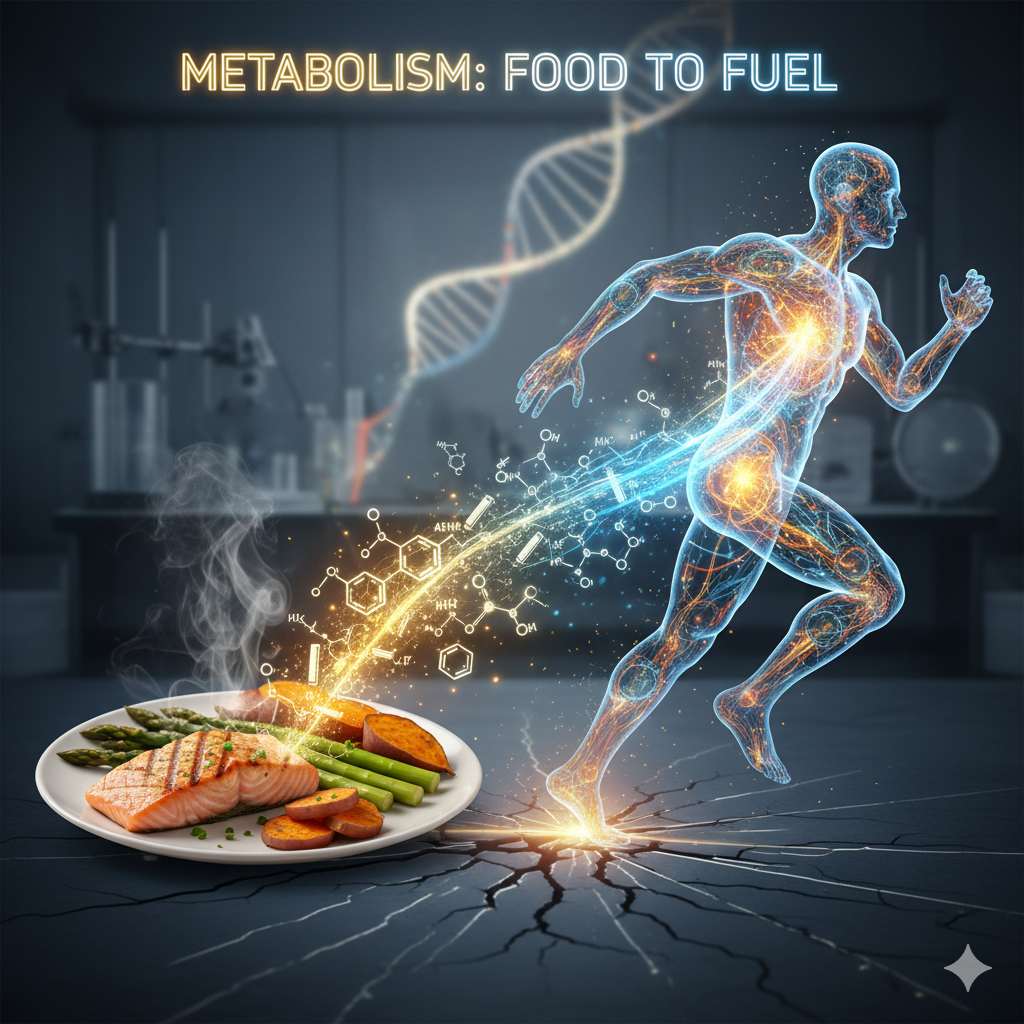
What if everything you thought you knew about boosting your metabolism was wrong? In a world filled with quick-fix solutions and miracle supplements, it's time to separate scientific reality from marketing fantasy.
The concept of boosting metabolism is surrounded by myths and misinformation. As a nutrition specialist, I've seen countless patients frustrated by promises that don't deliver. In this evidence-based guide, we'll examine which strategies actually impact metabolic rate and which are merely clever marketing claims.
What Metabolism Really Means
Your metabolism encompasses all the chemical processes that convert food into energy your body can use. Your basal metabolic rate (BMR) is the energy your body expends at complete rest to maintain basic functions like breathing and circulation. Contrary to popular belief, this accounts for about 60-75% of your total daily energy expenditure.
While some factors like age and genetics influence metabolism, research shows several evidence-based strategies can optimize your metabolic function.
Evidence-Based Metabolism Influencers
Muscle Mass: Your Metabolic Engine
Muscle tissue is metabolically active, meaning it burns calories even at rest. For each pound of muscle gained, your body may burn an additional 6-10 calories daily. While this doesn't sound dramatic, over time, maintaining muscle mass becomes increasingly important for metabolic health.
Evidence-based approach: Incorporate strength training 2-3 times per week focusing on compound movements like squats, push-ups, and rows. Even modest strength gains can meaningfully impact resting metabolism.
Dietary Composition: The Thermic Effect of Food
Different macronutrients require varying amounts of energy to digest, absorb, and process:
- Protein: 20-30% of calories burned during digestion
- Carbohydrates: 5-10% of calories burned during digestion
- Fats: 0-3% of calories burned during digestion
This "thermic effect" means that higher-protein meals temporarily increase metabolic rate more than other macronutrients.
Activity Patterns: Beyond Formal Exercise
Non-exercise activity thermogenesis (NEAT) encompasses all the energy you burn through daily movements like walking, fidgeting, and household chores. For some people, NEAT can vary by up to 2,000 calories per day between individuals with similar formal exercise routines.
Practical application: Incorporate more movement throughout your day—take walking meetings, use a standing desk, park farther away, or simply fidget more. These small changes accumulate significantly.
Hormonal Balance: The Metabolic Regulator
Thyroid hormones, insulin, cortisol, and sex hormones all influence metabolic rate. While you can't directly control these, lifestyle factors that support hormonal balance—adequate sleep, stress management, and balanced nutrition—indirectly support optimal metabolism.
Fact vs Fiction: Common Metabolism Claims
✓ FACT: Spicy Foods Temporarily Boost Metabolism
Capsaicin in chili peppers can temporarily increase metabolic rate by approximately 8% for a short period after consumption. However, the effect is modest and temporary—not a magic bullet for weight loss.
✗ FICTION: Small, Frequent Meals Boost Metabolism
Research shows meal frequency has minimal impact on metabolic rate for most people. Total calorie intake matters far more than how it's distributed throughout the day.
✓ FACT: Green Tea Offers Modest Benefits
The combination of caffeine and catechins in green tea may increase energy expenditure by 4-5%, though individual responses vary. Still, it's no substitute for fundamental lifestyle factors.
✗ FICTION: Metabolism "Boosters" in Supplements
Most over-the-counter metabolism booster supplements contain ineffective ingredients or doses too low to produce meaningful effects. Some may even pose health risks.
✓ FACT: Sleep Quality Impacts Metabolism
Consistent sleep deprivation (less than 7 hours nightly) can disrupt hormones that regulate appetite and metabolism, potentially reducing resting metabolic rate.
✗ FICTION: Drinking Ice Water Burns Significant Calories
While your body uses energy to warm cold water, the effect is minimal—about 8 calories per glass. Staying hydrated is important, but don't count on cold water for meaningful calorie burn.
Evidence-Based Approaches to Support Metabolism
- Prioritize protein: Include a protein source at each meal to leverage the thermic effect of food and support muscle maintenance.
- Build muscle: Engage in resistance training at least twice weekly to increase metabolically active tissue.
- Move throughout the day: Reduce prolonged sitting and find ways to incorporate more non-exercise movement.
- Sleep well: Aim for 7-9 hours of quality sleep nightly to support metabolic hormones.
- Manage stress: Chronic elevated cortisol can negatively impact metabolic function over time.
- Stay hydrated: Even mild dehydration can temporarily slow metabolic rate.
The most effective "metabolism booster" isn't a pill or potion—it's the consistent practice of evidence-based lifestyle habits that support metabolic health over the long term.
Frequently Asked Questions
Can you permanently damage your metabolism from years of dieting?
While extreme calorie restriction can temporarily lower metabolic rate through adaptive thermogenesis, metabolism typically recovers with a return to appropriate calorie intake and strength training. The body is remarkably resilient. Focus on building muscle and avoiding extreme diets rather than worrying about permanent damage.
Do metabolism boosters like caffeine become less effective over time?
Yes, tolerance to stimulants like caffeine can develop, potentially reducing their thermogenic effects. More importantly, relying on stimulants for metabolic enhancement can lead to side effects like jitteriness, increased heart rate, and sleep disruption. It's better to focus on sustainable lifestyle factors that support metabolic health without side effects.
At what age does metabolism significantly slow down?
Research suggests metabolic rate remains relatively stable from ages 20 to 60, after accounting for changes in muscle mass and activity levels. The perceived "metabolic slowdown" with age is often attributable to decreased muscle mass and reduced activity rather than an inherent metabolic decline. This highlights the importance of maintaining muscle through strength training as we age.