Have you ever noticed how your mind seems to have a mind of its own? One moment you're focused on work, the next you're mentally planning dinner while simultaneously worrying about that awkward thing you said five years ago. If this sounds familiar, you're not alone—and meditation might be the key to finding mental clarity amidst the chaos.
Meditation offers numerous benefits for mental and physical health, but starting can feel daunting. The good news is that you don't need to become a Zen master overnight. With these five accessible techniques perfect for beginners, you can begin experiencing the profound benefits of meditation right away.
Why Meditate? The Science-Backed Benefits
Before we dive into the techniques, let's explore why meditation is worth your time. Research from leading health institutions like Harvard Medical School and the Mayo Clinic confirms that regular meditation practice can:
- Reduce stress and anxiety levels
- Improve focus and concentration
- Enhance emotional regulation
- Lower blood pressure
- Improve sleep quality
- Boost immune function
The best part? You don't need to meditate for hours to experience these benefits. Studies show that even just a few minutes daily can make a significant difference in your overall wellbeing when practiced consistently.
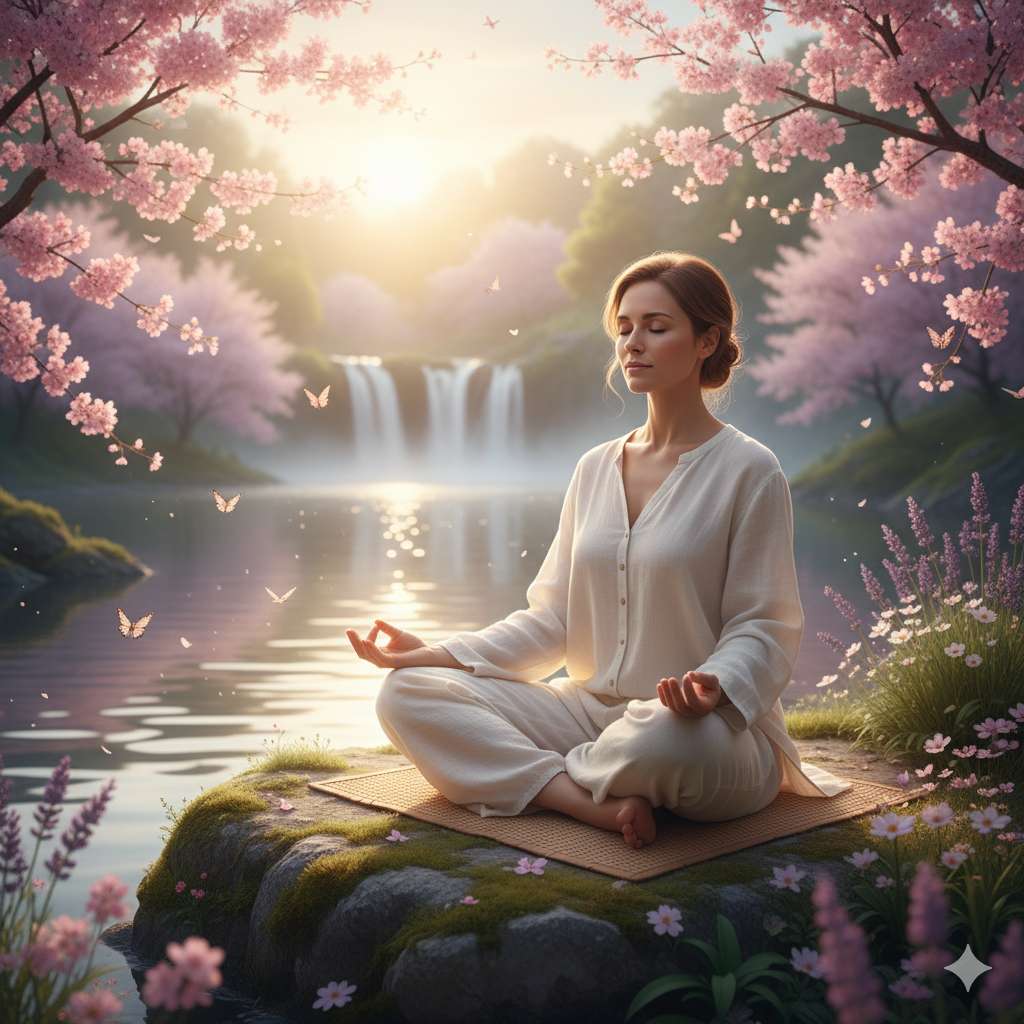
Meditation doesn't require special equipment or perfect conditions—just a few minutes and willingness to begin.
1. Breath Awareness Meditation
This is perhaps the most fundamental meditation technique and an excellent starting point for beginners. The practice involves simply focusing your attention on your natural breathing pattern without trying to change it.
How to practice: Find a comfortable seated position, close your eyes, and bring your attention to your breath. Notice the sensation of air entering and leaving your body. When your mind wanders (which it will), gently return your focus to your breath without judgment. Start with just 3-5 minutes and gradually increase the duration.
2. Body Scanning
Body scanning is a powerful technique for developing mindfulness and releasing physical tension. This practice involves systematically moving your attention through different parts of your body.
How to practice: Lie down or sit comfortably. Begin by bringing your awareness to your toes, noticing any sensations without judgment. Slowly move your attention up through your feet, ankles, legs, torso, arms, and all the way to the top of your head. Spend about 20-30 seconds on each body part. This practice is especially helpful before bed to promote relaxation.
3. Walking Meditation
If sitting still feels challenging, walking meditation might be your perfect entry point. This practice brings mindfulness to the simple act of walking.
How to practice: Find a quiet path where you can walk 10-15 steps back and forth. Walk slowly and deliberately, paying close attention to the physical sensations of walking—the lifting of your foot, the movement through space, the placement back on the ground. When your mind wanders, gently return your focus to the sensations of walking.
4. Loving-Kindness Meditation
This beautiful practice focuses on developing feelings of goodwill, kindness, and warmth toward yourself and others. Research shows it can significantly increase positive emotions and social connectedness.
How to practice: Sit comfortably and bring to mind someone you care about. Silently repeat phrases like "May you be happy, may you be healthy, may you be safe, may you live with ease." Then extend these wishes to yourself, to neutral people, to difficult people, and finally to all beings everywhere.
5. Mantra Meditation
Using a mantra—a word or phrase repeated silently—can help focus the mind and deepen meditation. This technique has roots in various spiritual traditions but can be practiced secularly as well.
How to practice: Choose a simple word or phrase that resonates with you (like "peace," "calm," or "I am"). Sit comfortably, close your eyes, and begin repeating your mantra silently. When distractions arise, gently return to your repetition. The vibration and rhythm of the mantra can have a calming effect on the nervous system.
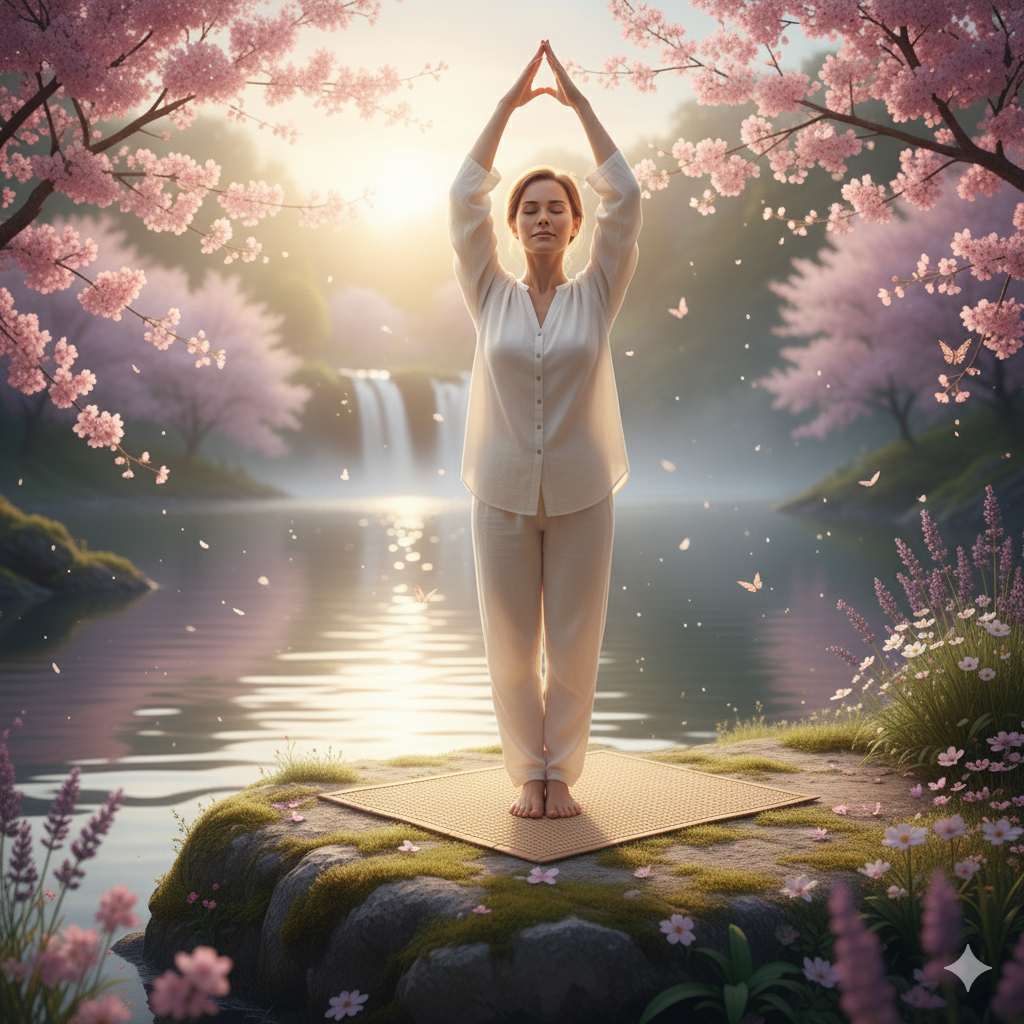
Proper posture supports effective meditation—keep your spine straight but not rigid.
Making Meditation a Consistent Practice
The key to experiencing the full benefits of meditation is consistency. Here are some tips to help you establish a regular practice:
- Start small: Even 2-5 minutes daily is more beneficial than longer sessions that you skip.
- Create a routine: Meditate at the same time each day to build the habit.
- Be kind to yourself: Don't judge yourself when your mind wanders—this is normal and part of the practice.
- Find a community: Consider joining a meditation group or using a guided meditation app for support.
Remember, meditation is called a "practice" for a reason—it's not about perfection but about showing up consistently. The journey of a thousand miles begins with a single breath. Why not take that first breath today?