Natural Skincare: 6 Kitchen Ingredients for Glowing Skin
What if I told you that the secret to radiant, healthy skin isn't hiding in expensive department store products, but right there in your kitchen pantry? As a dermatologist with over 15 years of experience, I've seen firsthand how simple, natural ingredients can transform skin health.

1. Honey - Nature's Antibacterial
Honey has been used for centuries in skincare, and modern research confirms its remarkable properties. Raw, unprocessed honey is packed with antioxidants, enzymes, and nutrients that benefit the skin in multiple ways.
Key Benefits:
- Antibacterial properties help combat acne-causing bacteria
- Humectant qualities help skin retain moisture
- Anti-inflammatory effects reduce redness and swelling
- Rich in antioxidants that fight free radical damage
DIY Treatment: Create a simple honey mask by applying raw honey directly to clean skin. Leave on for 15-20 minutes before rinsing with warm water. For acne-prone skin, add a teaspoon of cinnamon which has additional antimicrobial properties.

2. Oatmeal - The Soothing Solution
Oatmeal isn't just a breakfast staple—it's a skincare powerhouse, particularly for sensitive or irritated skin. Colloidal oatmeal, finely ground oats that suspend in liquid, has been approved by the FDA as a skin protectant.
Key Benefits:
- Anti-inflammatory properties calm irritated skin
- Natural cleanser that removes dirt and oil without stripping
- Soothes itching from conditions like eczema
- Contains saponins that gently cleanse the skin
DIY Treatment: For a calming oatmeal bath, grind one cup of plain oats in a blender until fine. Add to warm bathwater and soak for 15-20 minutes. For a face mask, mix ground oatmeal with honey and a little water to form a paste.
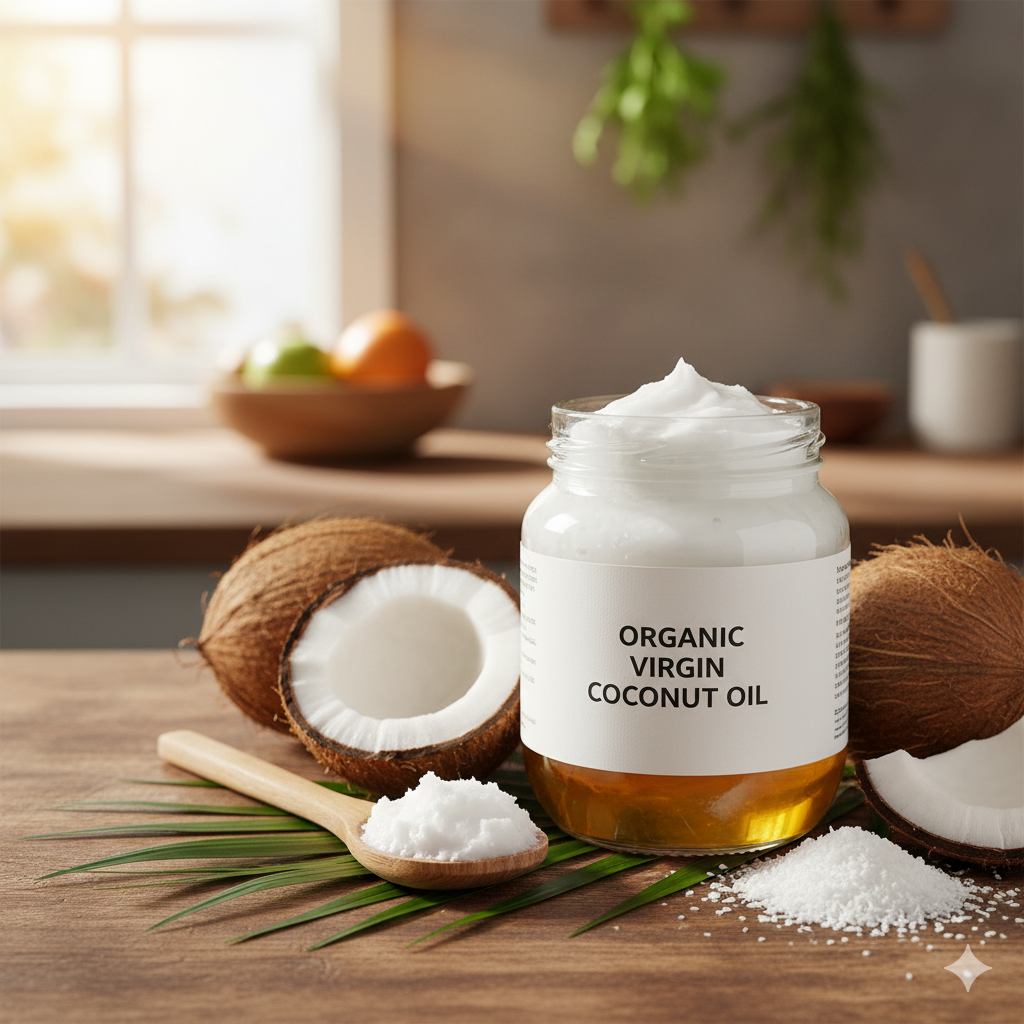
3. Coconut Oil - Ultimate Moisturizer
Coconut oil has gained immense popularity in skincare, and for good reason. Its unique fatty acid composition makes it an excellent moisturizer for many skin types, though those with very oily or acne-prone skin should use it cautiously.
Key Benefits:
- Rich in fatty acids that nourish and moisturize skin
- Antimicrobial properties help protect against harmful microorganisms
- Anti-inflammatory effects can reduce skin irritation
- Contains vitamin E, a powerful antioxidant for skin health
DIY Treatment: Use virgin coconut oil as a night cream or intensive moisturizer. Warm a small amount between your palms and gently press into damp skin. It can also be used as a gentle makeup remover or as a base for sugar scrubs.
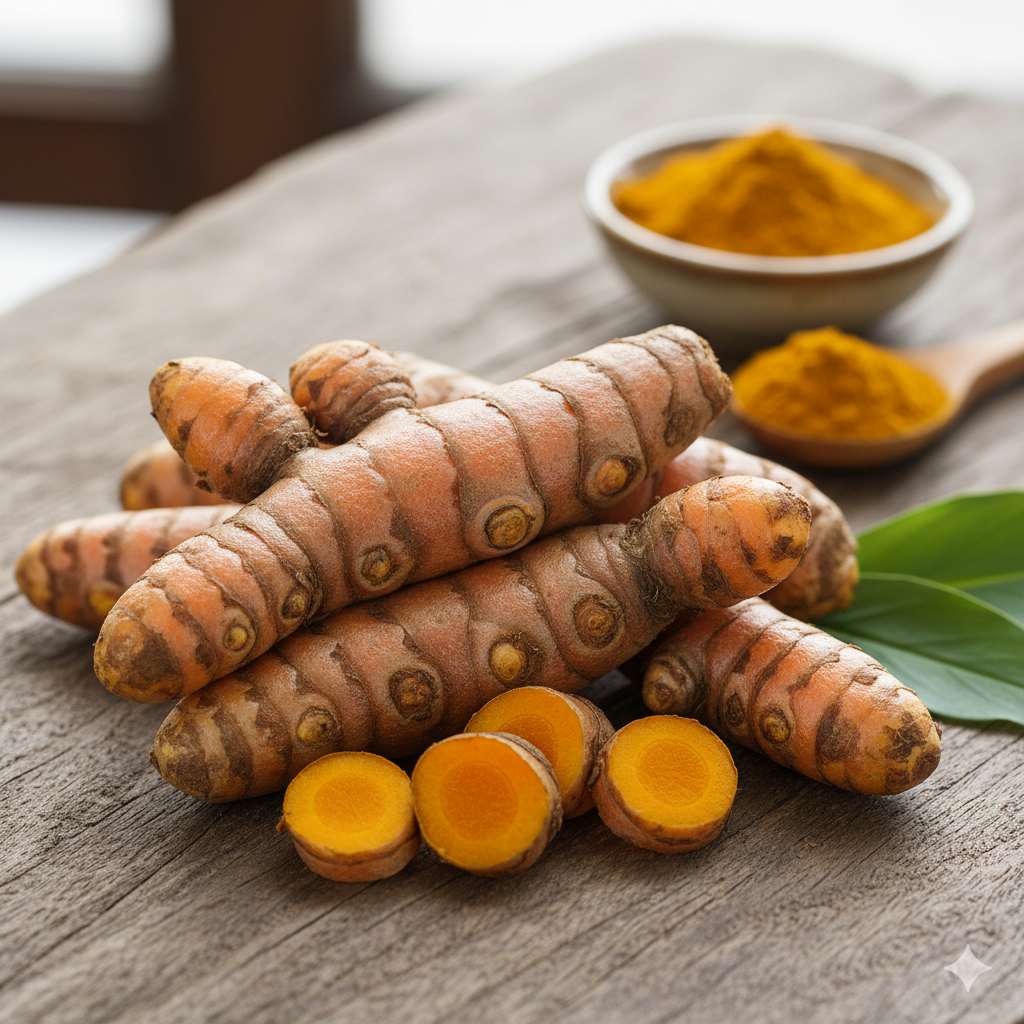
4. Turmeric - The Golden Spice for Skin
This vibrant yellow spice has been a cornerstone of Ayurvedic medicine for thousands of years. Curcumin, the active compound in turmeric, possesses powerful anti-inflammatory and antioxidant properties that benefit the skin.
Key Benefits:
- Powerful anti-inflammatory that reduces redness and swelling
- Antioxidant properties help combat signs of aging
- May help with hyperpigmentation and even out skin tone
- Antimicrobial effects can benefit acne-prone skin
DIY Treatment: Create a brightening mask by mixing 1 teaspoon turmeric with 2 tablespoons plain yogurt and 1 teaspoon honey. Apply to clean skin and leave for 10-15 minutes. Be cautious as turmeric can temporarily stain light skin.

5. Green Tea - Antioxidant Powerhouse
While most of us drink green tea for its health benefits, it's equally impressive when applied topically. Green tea is rich in polyphenols, particularly EGCG, which has been shown to protect against UV damage and improve skin health.
Key Benefits:
- High in antioxidants that protect against environmental damage
- Anti-inflammatory properties calm irritated skin
- May reduce sebum production in oily skin types
- Contains tannins that can temporarily tighten pores
DIY Treatment: Brew a strong cup of green tea, allow it to cool completely, and use it as a facial toner with a cotton pad. For a refreshing mask, mix used green tea leaves with aloe vera gel and apply to skin for 15 minutes.

6. Aloe Vera - The Soothing Healer
Known as the "burn plant," aloe vera has a long history of medicinal use for skin conditions. The clear gel inside aloe leaves contains compounds that reduce inflammation, fight bacteria, and promote skin repair.
Key Benefits:
- Powerful soothing properties for irritated or sunburned skin
- Accelerates wound healing and reduces scarring
- Hydrates without feeling greasy, suitable for all skin types
- Contains antioxidants that fight premature aging
DIY Treatment: Extract fresh gel from an aloe leaf and apply directly to skin as a moisturizer or after-sun treatment. For a hydrating mask, mix aloe gel with a few drops of rosewater and a teaspoon of honey.
Frequently Asked Questions
Frequency depends on your skin type and the specific ingredient. Gentle ingredients like honey and oatmeal can be used daily, while more potent ones like turmeric might be better limited to 1-2 times per week. Always start slowly and observe how your skin responds.
While these natural ingredients offer wonderful benefits, they may not provide complete sun protection or address all skin concerns. I recommend incorporating them as supplements to a balanced routine that includes sunscreen—the most crucial skincare product for preventing aging and skin cancer.
While generally safe, natural ingredients can cause reactions in sensitive individuals. Always patch test new treatments on a small area of skin first. Also, be mindful of allergies—for example, those with bee pollen allergies should avoid honey. If you have specific skin conditions, consult a dermatologist before making significant changes to your routine.