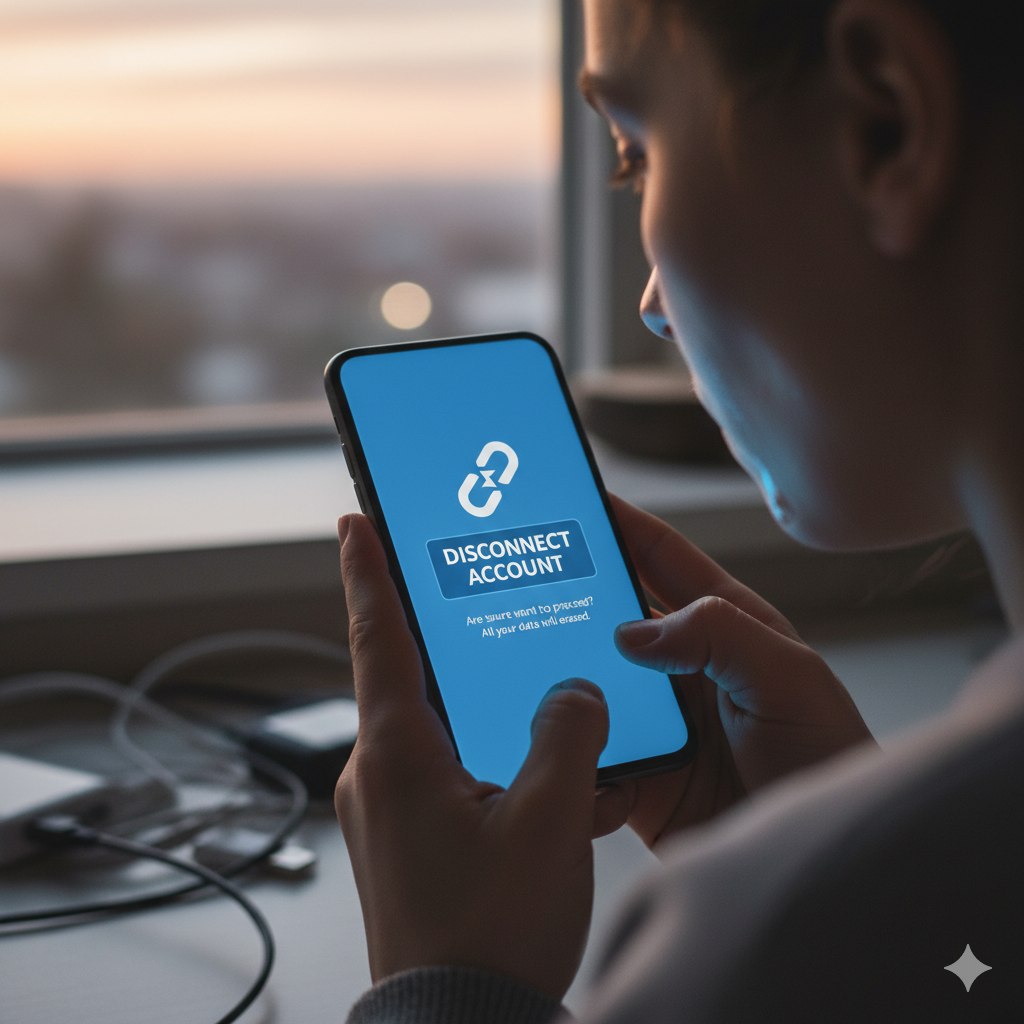
Have you ever found yourself reaching for your phone first thing in the morning, scrolling mindlessly through social media feeds, or checking emails during family dinner? If so, you're not alone. In our hyper-connected world, digital devices have become extensions of ourselves—but at what cost to our health and wellbeing?
As a physician specializing in lifestyle medicine, I've observed a troubling trend: patients presenting with symptoms directly linked to their digital consumption. From chronic sleep issues to heightened anxiety, the evidence is mounting that our constant connectivity is taking a significant toll on both mental and physical health.
The Science Behind Digital Overload
Research from leading institutions like Harvard Medical School and the American Psychological Association reveals that our brains weren't designed for the constant stimulation of digital devices. The blue light emitted by screens suppresses melatonin production, disrupting our natural sleep-wake cycles. A 2024 study published in Sleep Medicine found that participants who used electronic devices before bed took an average of 30 minutes longer to fall asleep and experienced reduced REM sleep.
"The average person checks their phone 96 times a day—that's once every 10 minutes during waking hours. This constant interruption fragments our attention and prevents deep focus."
Our attention spans are suffering too. Neuroscientists at Stanford University have documented that heavy media multitaskers perform worse on cognitive control tasks. The constant switching between apps, notifications, and tasks trains our brains to seek novelty, making sustained attention increasingly difficult.
The Impact on Stress and Relationships
The connection between digital device usage and stress is well-documented. The constant barrage of information, comparison culture on social media, and the pressure to be always available create a perfect storm for chronic stress. Cortisol levels—our primary stress hormone—can remain elevated with frequent phone use, contributing to inflammation, weight gain, and cardiovascular issues.
Perhaps most concerning is how digital connectivity affects our real-world relationships. A study from the University of Pennsylvania found that reducing social media use to 30 minutes per day resulted in significant decreases in loneliness and depression. When we're constantly connected to our devices, we're often disconnected from the people right in front of us.
Practical Strategies for Digital Detox
The good news is that we can reclaim control. Implementing regular digital detoxes doesn't mean abandoning technology entirely, but rather creating healthier boundaries. Here are evidence-based strategies I recommend to my patients:
1. Designate Tech-Free Zones: Make your bedroom a device-free sanctuary. Charge phones in another room overnight to improve sleep quality and reduce the temptation for late-night scrolling.
2. Implement the 20-20-20 Rule: For every 20 minutes of screen time, look at something 20 feet away for 20 seconds. This simple practice reduces digital eye strain and gives your brain a micro-break.
3. Schedule Digital Sabbaths: Designate one day per week—or even a few hours each day—as screen-free time. Use this time for hobbies, outdoor activities, or connecting with loved ones without digital interruptions.
4. Curate Your Notifications: Turn off non-essential notifications. Research shows that even when we don't check our phones, the mere anticipation of notifications can reduce cognitive capacity.
5. Practice Mindful Tech Use: Before reaching for your device, pause and ask yourself: "What is my intention here?" This simple question can break the cycle of automatic, unconscious scrolling.