
Did you know that your fork could be the most powerful tool in preventing heart disease? It's true—the foods you choose to eat every day can either protect your cardiovascular system or put it at risk. As a cardiologist with over 15 years of experience, I've witnessed firsthand how simple dietary changes can dramatically improve heart health markers and reduce the risk of cardiovascular events.
Cardiovascular health is significantly influenced by dietary choices. In this article, I'll share ten specific foods scientifically proven to support heart function, improve cholesterol levels, reduce inflammation, and lower blood pressure. You'll learn how these foods work at a cellular level, the optimal ways to prepare them, and practical strategies to incorporate them into your regular eating pattern for lasting cardiovascular benefits.
The Science Behind Food and Heart Health
Before we dive into the specific foods, it's important to understand how nutrition impacts your cardiovascular system. The foods we eat can influence multiple heart health factors:
- Cholesterol levels: Certain foods can help lower LDL (bad) cholesterol and raise HDL (good) cholesterol.
- Blood pressure: Nutrients like potassium and magnesium help regulate blood pressure.
- Inflammation: Chronic inflammation damages blood vessels; anti-inflammatory foods can counteract this.
- Oxidative stress: Antioxidants in foods protect cells from damage that can lead to heart disease.
- Blood vessel function: Some foods help keep arteries flexible and responsive.
10 Heart-Healthy Foods to Incorporate Regularly
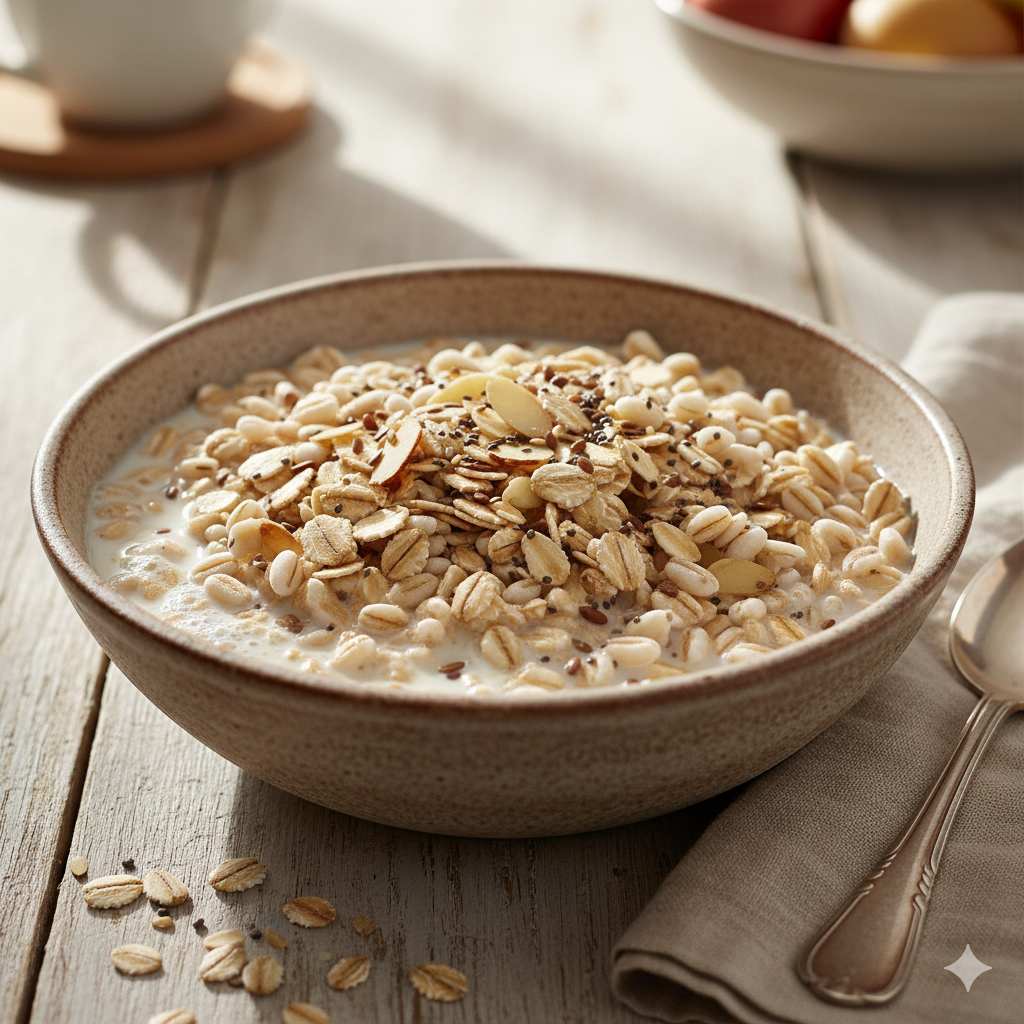
1. Oats and Barley
Rich in beta-glucan, a soluble fiber that helps lower LDL cholesterol by binding to it in the digestive system and removing it from the body.
2. Fatty Fish
Salmon, mackerel, and sardines are packed with omega-3 fatty acids that reduce inflammation and lower triglycerides.
3. Leafy Greens
Spinach, kale, and collard greens are rich in vitamin K, which helps protect arteries and promote proper blood clotting.
4. Berries
Blueberries, strawberries, and raspberries are loaded with antioxidants called anthocyanins that reduce blood pressure and dilate blood vessels.
5. Walnuts
An excellent source of alpha-linolenic acid, a plant-based omega-3 that helps reduce inflammation and improve cholesterol profiles.
6. Beans and Legumes
High in soluble fiber, resistant starch, and plant compounds that help regulate blood sugar and cholesterol levels.
7. Dark Chocolate
Contains flavonoids that can improve blood flow, lower blood pressure, and reduce the risk of heart attack and stroke (choose 70% cocoa or higher).
8. Tomatoes
Rich in lycopene, a powerful antioxidant that helps lower LDL cholesterol and reduce the risk of heart disease.
9. Almonds
Packed with monounsaturated fats, fiber, and plant sterols that help block cholesterol absorption in the intestines.
10. Green Tea
Contains catechins and polyphenols that act as powerful antioxidants, reducing inflammation and preventing plaque buildup in arteries.

How These Foods Work at the Cellular Level
Understanding the cellular mechanisms behind these heart-healthy foods can help you appreciate their true value. For instance, the omega-3 fatty acids in fatty fish incorporate into cell membranes, making them more flexible and improving communication between cells. This enhances the function of endothelial cells that line your blood vessels, allowing them to dilate more effectively and maintain healthy blood pressure.
The soluble fiber in oats and beans forms a gel-like substance in your digestive system that binds to cholesterol-rich bile acids, carrying them out of your body. This forces your liver to use circulating cholesterol to produce more bile, effectively lowering your overall cholesterol levels.
Antioxidants in berries and dark chocolate neutralize free radicals that would otherwise damage arterial walls and contribute to plaque formation. By reducing oxidative stress, these compounds help maintain the integrity of your cardiovascular system.
Optimal Preparation Methods
How you prepare these foods matters just as much as which foods you choose. To maximize their heart-protective benefits:
- Steam or sauté greens instead of boiling to preserve water-soluble nutrients like vitamin C and folate.
- Bake or grill fish rather than frying to avoid adding unhealthy trans fats.
- Soak and cook beans from dry when possible to control sodium levels (canned varieties often contain added salt).
- Enjoy nuts raw or dry-roasted instead of oil-roasted to avoid excess unhealthy fats.
- Pair tomatoes with healthy fats like olive oil to enhance lycopene absorption.
Practical Strategies for Incorporation
Knowing which foods to eat is one thing; consistently incorporating them into your diet is another. Here are some practical strategies:
Start Your Day Right
Begin with a bowl of oatmeal topped with berries and walnuts. The combination provides soluble fiber, antioxidants, and healthy fats—a powerful trifecta for heart health.
Smart Snacking
Keep almonds and dark chocolate (70% cocoa or higher) on hand for healthy snacks that satisfy cravings while supporting cardiovascular function.
Fish Twice a Week
Aim for two servings of fatty fish per week. Try grilled salmon for dinner or add canned sardines to salads for lunch.
Beans as a Staple
Add beans to soups, salads, and grain bowls. They're inexpensive, versatile, and packed with heart-protective nutrients.
Green Tea Habit
Replace one sugary beverage daily with green tea. The cumulative effect on your cardiovascular health can be significant over time.