Good Fats vs Bad Fats: How to Choose Healthy Fats
The Fat Paradox: Why Your Body Needs the Right Kind
For decades, we've been told that fat is the enemy—the culprit behind expanding waistlines and clogged arteries. But what if I told you that the right kinds of fat are actually essential for vibrant health, sharp mental focus, and even weight management? The truth is, not all fats are created equal, and understanding this distinction could transform your health journey.
As a nutrition specialist with over 15 years of clinical experience, I've seen firsthand how shifting from harmful fats to beneficial ones can dramatically improve patients' cardiovascular markers, cognitive function, and overall wellbeing. In this comprehensive guide, we'll cut through the confusion and give you practical strategies for making smart fat choices every day.
Understanding the Three Types of Dietary Fats
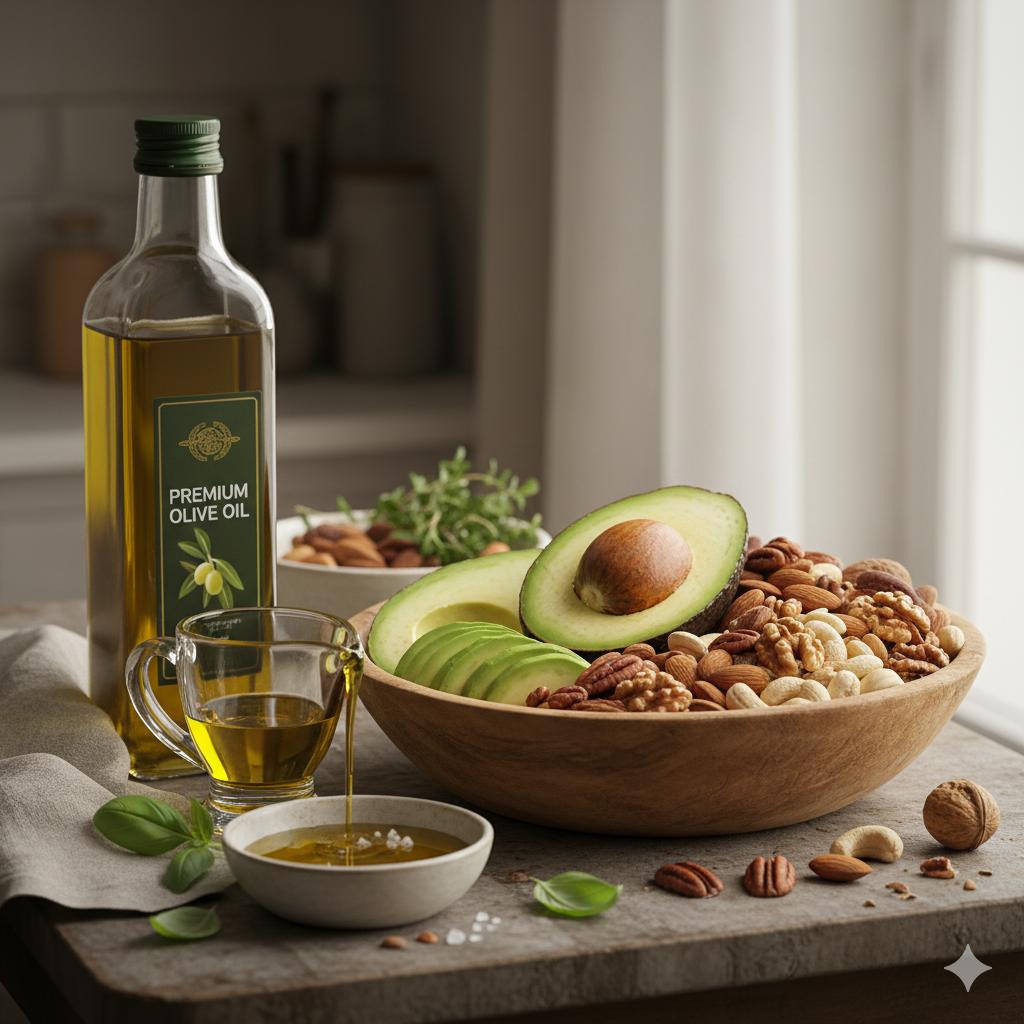
The Champions: Unsaturated Fats
Unsaturated fats are the undisputed health heroes in the fat family. These beneficial fats come in two forms: monounsaturated and polyunsaturated. Found primarily in plant-based foods, they remain liquid at room temperature and offer remarkable health benefits.
Research consistently shows that unsaturated fats support heart health by improving cholesterol levels, reducing inflammation, and stabilizing heart rhythms. They're also crucial for brain function, helping to maintain the integrity of cell membranes and supporting cognitive processes. Furthermore, these fats aid in the absorption of fat-soluble vitamins (A, D, E, and K) and support hormone production.
Excellent sources include: Olive oil, avocados, nuts (especially almonds and walnuts), seeds (flaxseeds, chia seeds), and fatty fish like salmon and mackerel.

The Villains: Trans Fats
If unsaturated fats are the heroes, trans fats are undoubtedly the villains in our dietary story. These artificial fats are created through an industrial process called hydrogenation, which adds hydrogen to liquid vegetable oils to make them more solid and stable at room temperature.
Trans fats are particularly dangerous because they not only raise your "bad" LDL cholesterol but also lower your "good" HDL cholesterol. This double whammy significantly increases your risk of heart disease, stroke, and type 2 diabetes. The World Health Organization has called for the global elimination of industrially produced trans fats from food supplies by 2023, highlighting their serious health risks.
Common sources include: Fried foods, shortening, margarine, commercially baked goods, and many processed snack foods. Always check labels for "partially hydrogenated oils."

The Controversial Middle Ground: Saturated Fats
Saturated fats have been at the center of nutritional debates for decades. Found primarily in animal products and some plant sources, these fats are solid at room temperature and have traditionally been linked to increased heart disease risk.
However, recent research has complicated this picture. While it's still wise to limit certain sources of saturated fat (particularly processed meats and high-fat dairy), some saturated fats from whole food sources might not be as harmful as once thought. For instance, the medium-chain triglycerides in coconut oil are metabolized differently than long-chain saturated fats from animal sources.
The current consensus: Moderation is key. Replace some saturated fats with unsaturated ones, but don't fear all saturated fat sources equally. Focus on the overall quality of your diet rather than fixating on this single nutrient.
Common sources include: Red meat, butter, cheese, coconut oil, and palm oil.
Practical Guidance for Smart Fat Choices
How to Read Labels Like a Pro
- Check for trans fats: Look for "0g trans fat" but also scan the ingredients list for "partially hydrogenated oils" - even if the nutrition label claims 0g trans fat, small amounts can still be present.
- Evaluate saturated fat: As a general guideline, choose foods with less than 5g of saturated fat per serving.
- Prioritize unsaturated fats: Look for foods that specifically mention sources of unsaturated fats like olive oil, avocado oil, or nuts.
- Beware of "low-fat" traps: Many low-fat products compensate with added sugars or refined carbohydrates, which can be equally problematic.
Simple Swaps for Healthier Fat Choices
- Replace butter with olive or avocado oil in cooking
- Swap processed snack foods with a handful of nuts or seeds
- Choose fatty fish like salmon instead of red meat 2-3 times per week
- Use avocado as a spread instead of mayonnaise or cream cheese
- Opt for baked or grilled foods instead of fried options