What if I told you that managing your cholesterol levels doesn't always require medication? As a cardiologist with over 15 years of experience, I've witnessed firsthand how strategic dietary changes can dramatically improve cardiovascular health. In this article, I'll share five nutritional powerhouses that have been scientifically proven to help reduce LDL cholesterol and support heart function.
Oats and Barley
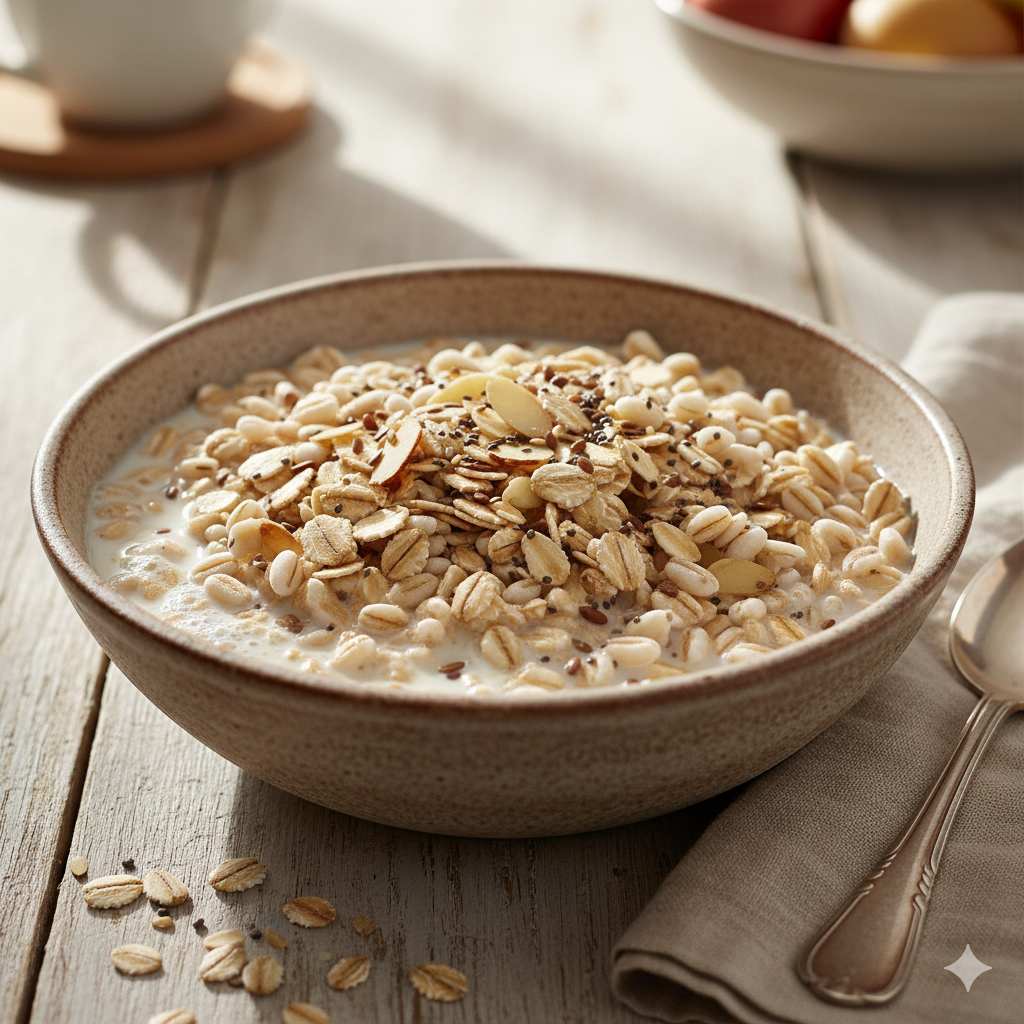
How They Work
Oats and barley are rich in a type of soluble fiber called beta-glucan. This fiber forms a gel in your digestive system that binds to cholesterol-rich bile acids, carrying them out of your body instead of allowing them to be absorbed into your bloodstream.
Studies show that consuming just 3 grams of soluble oat fiber daily can lower LDL cholesterol by 5-10%. The more consistently you consume these grains, the greater the benefits for your heart health.
Practical Tips
Start your day with a bowl of oatmeal, add barley to soups and stews, or use oat flour in baking. For maximum benefit, aim for at least one serving daily.
Fatty Fish
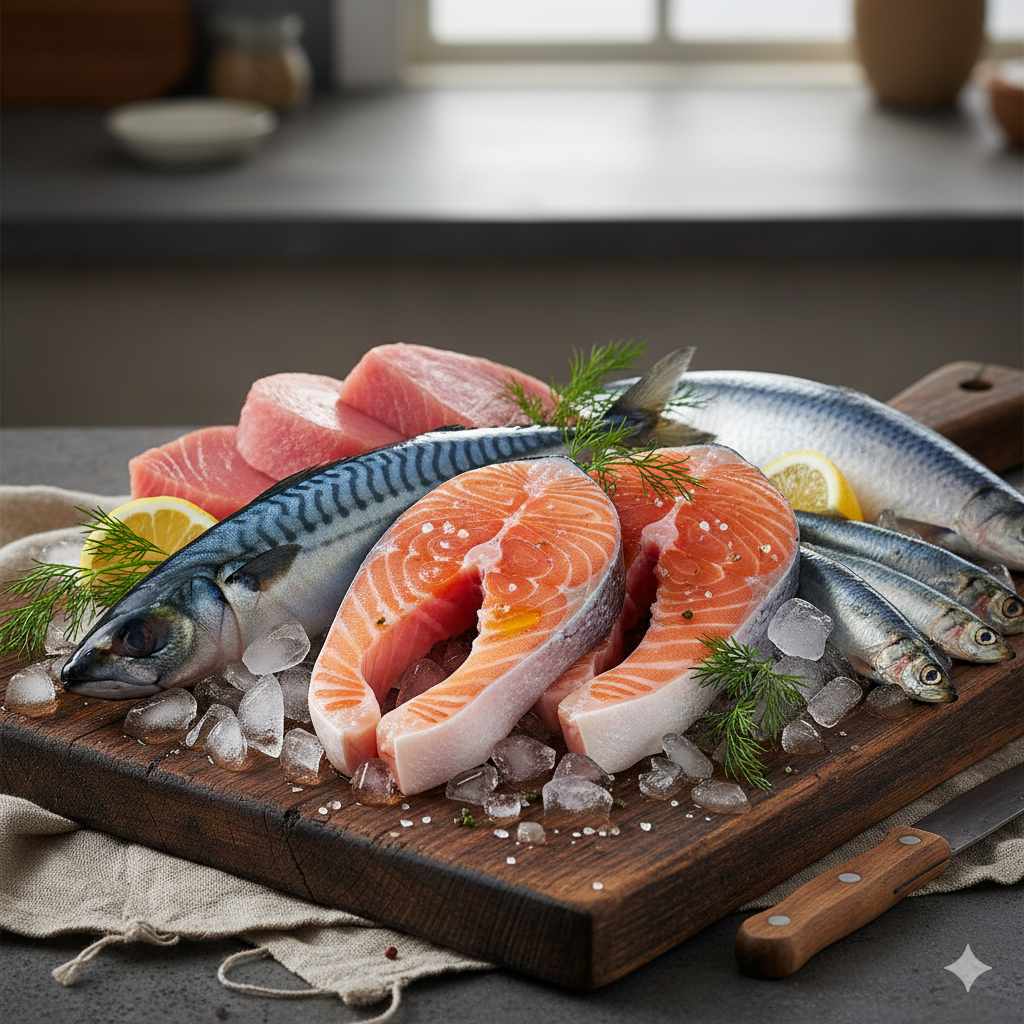
How They Work
Fatty fish like salmon, mackerel, and sardines are packed with omega-3 fatty acids, particularly EPA and DHA. These healthy fats help lower triglycerides, reduce inflammation throughout the body, and can modestly lower LDL cholesterol while raising HDL (the "good" cholesterol).
Omega-3s also help prevent the formation of blood clots and maintain the elasticity of arteries, further protecting your cardiovascular system.
Practical Tips
Aim for two servings of fatty fish per week. Grill, bake, or steam rather than frying to preserve the beneficial fats. If you don't eat fish, consider algae-based omega-3 supplements.
Apples and Citrus Fruits
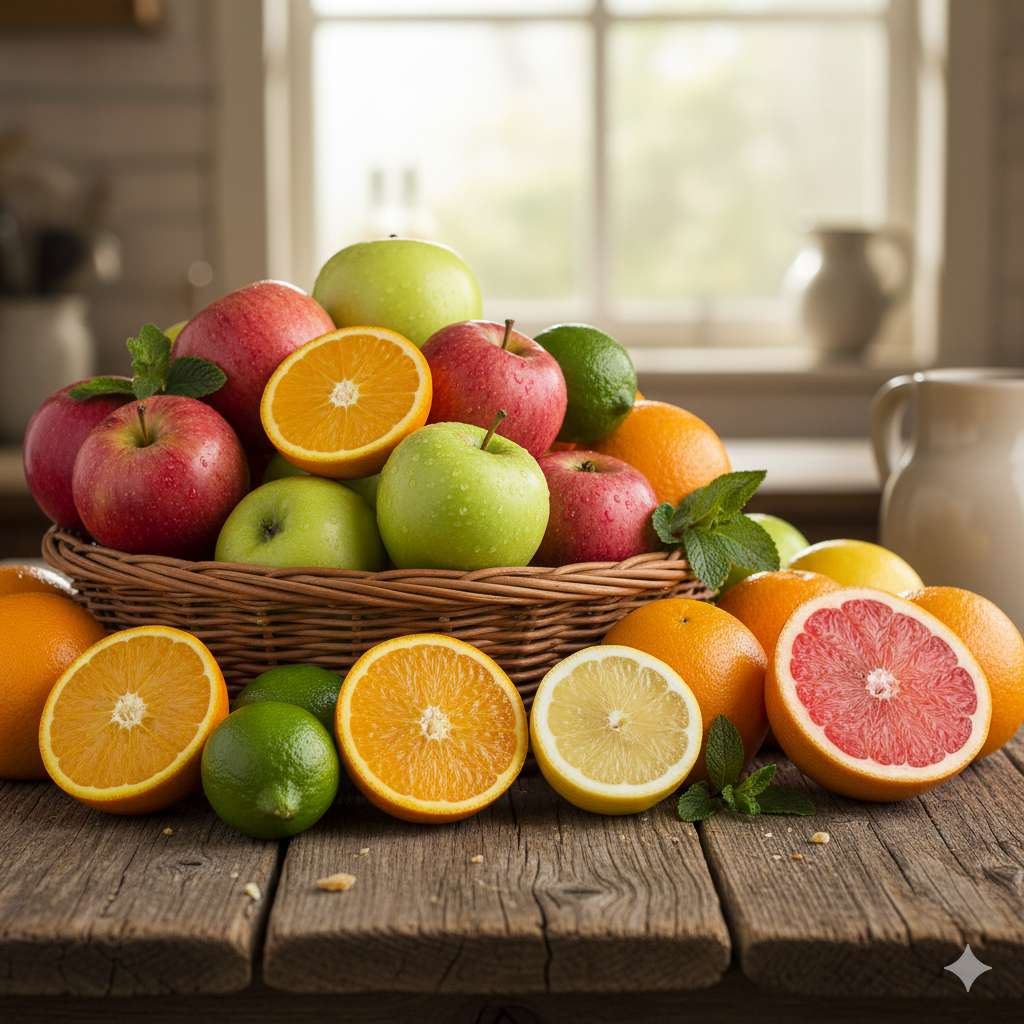
How They Work
Apples, oranges, grapefruits, and other citrus fruits are rich in pectin, a type of soluble fiber that helps lower LDL cholesterol. Pectin forms a viscous gel in your digestive tract that binds to cholesterol and prevents its absorption.
These fruits also contain flavonoids and antioxidants that help prevent LDL cholesterol from oxidizing, which is a key step in the formation of arterial plaque.
Practical Tips
Eat whole fruits rather than drinking juice to get the full fiber benefit. Add apple slices to salads, enjoy citrus segments as snacks, or incorporate them into smoothies.
Nuts and Seeds
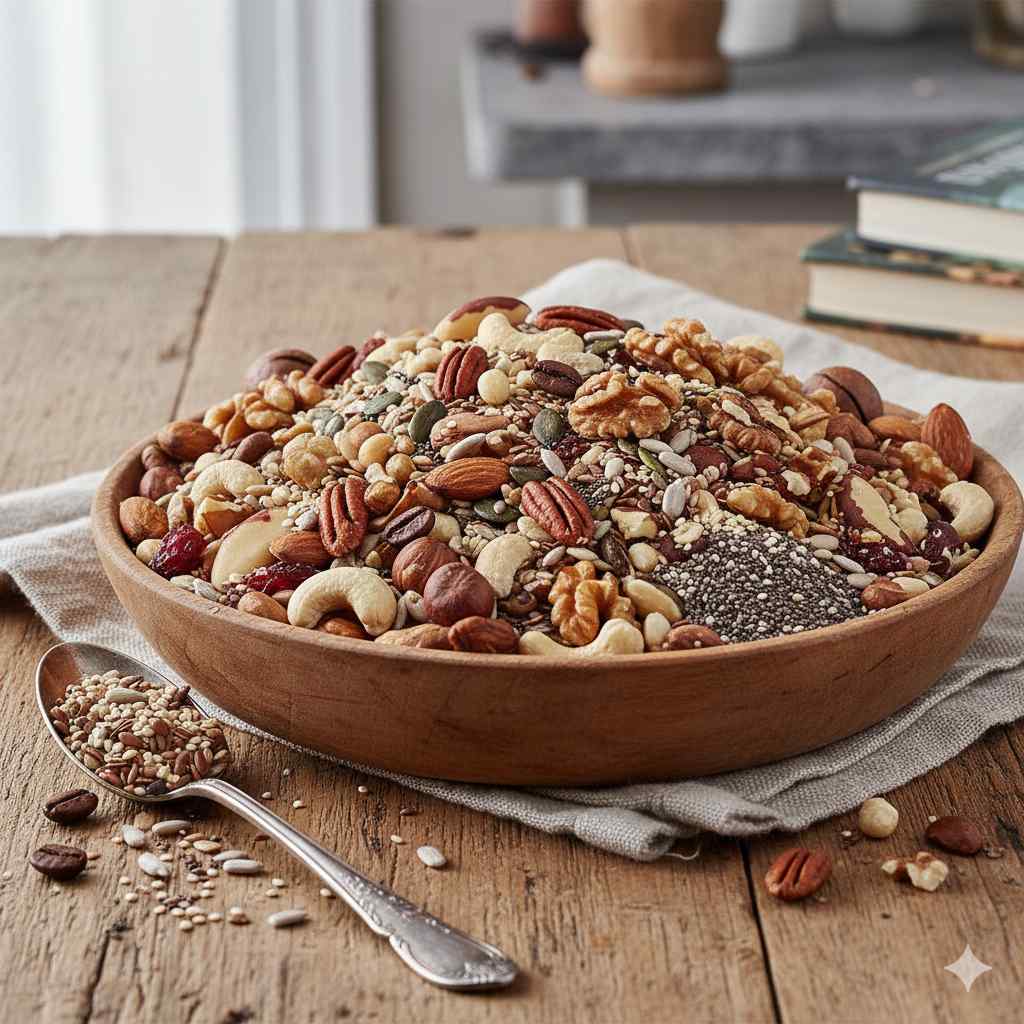
How They Work
Walnuts, almonds, flaxseeds, and chia seeds are cholesterol-lowering powerhouses. They contain plant sterols that block cholesterol absorption, unsaturated fats that help clear LDL from the bloodstream, and fiber that aids in cholesterol excretion.
Studies show that eating about a handful of nuts daily can lower LDL cholesterol by up to 10%. The combination of healthy fats, fiber, and plant compounds makes nuts particularly effective.
Practical Tips
Enjoy a small handful of unsalted nuts as a snack, add ground flaxseed to yogurt or oatmeal, or use nut butters on whole-grain toast. Remember that nuts are calorie-dense, so portion control is important.
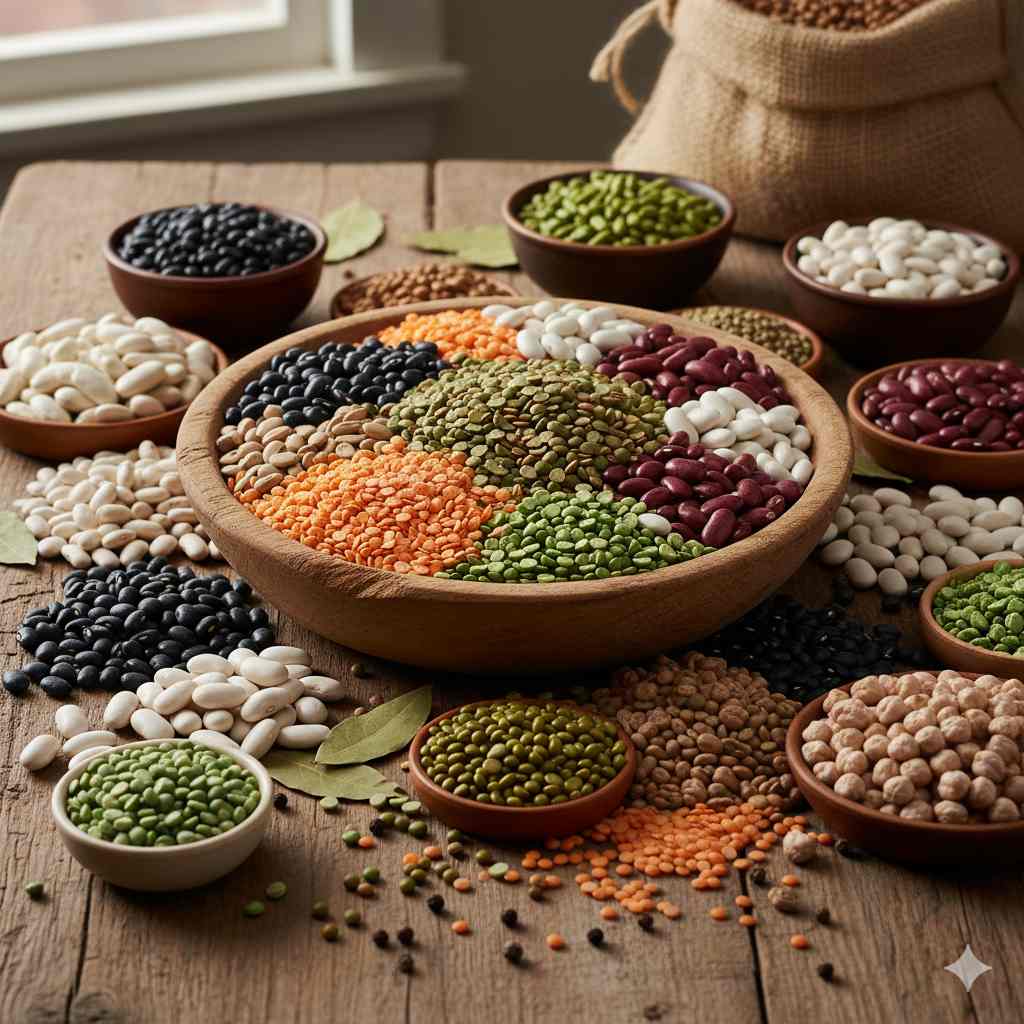
Legumes and Beans
How They Work
Beans, lentils, and chickpeas are excellent sources of soluble fiber that effectively lower LDL cholesterol. They're also rich in plant-based protein and contain compounds called saponins that interfere with cholesterol absorption.
Regular consumption of legumes has been shown to reduce total cholesterol by 5-10%. Their low glycemic index also helps stabilize blood sugar levels, which is beneficial for overall cardiovascular health.
Practical Tips
Add beans to soups, salads, and stews; use hummus as a spread; or enjoy lentil-based dishes. Start with smaller portions if you're not used to eating legumes to allow your digestive system to adjust.