Did you know that the food on your plate could be the most powerful prescription for preserving your eyesight? As an ophthalmologist with over 15 years of experience, I've witnessed firsthand how simple dietary changes can dramatically impact long-term eye health. In this article, I'll share eight specific foods that are scientifically proven to protect your vision against age-related conditions.
Leafy Greens (Spinach, Kale, Collards)
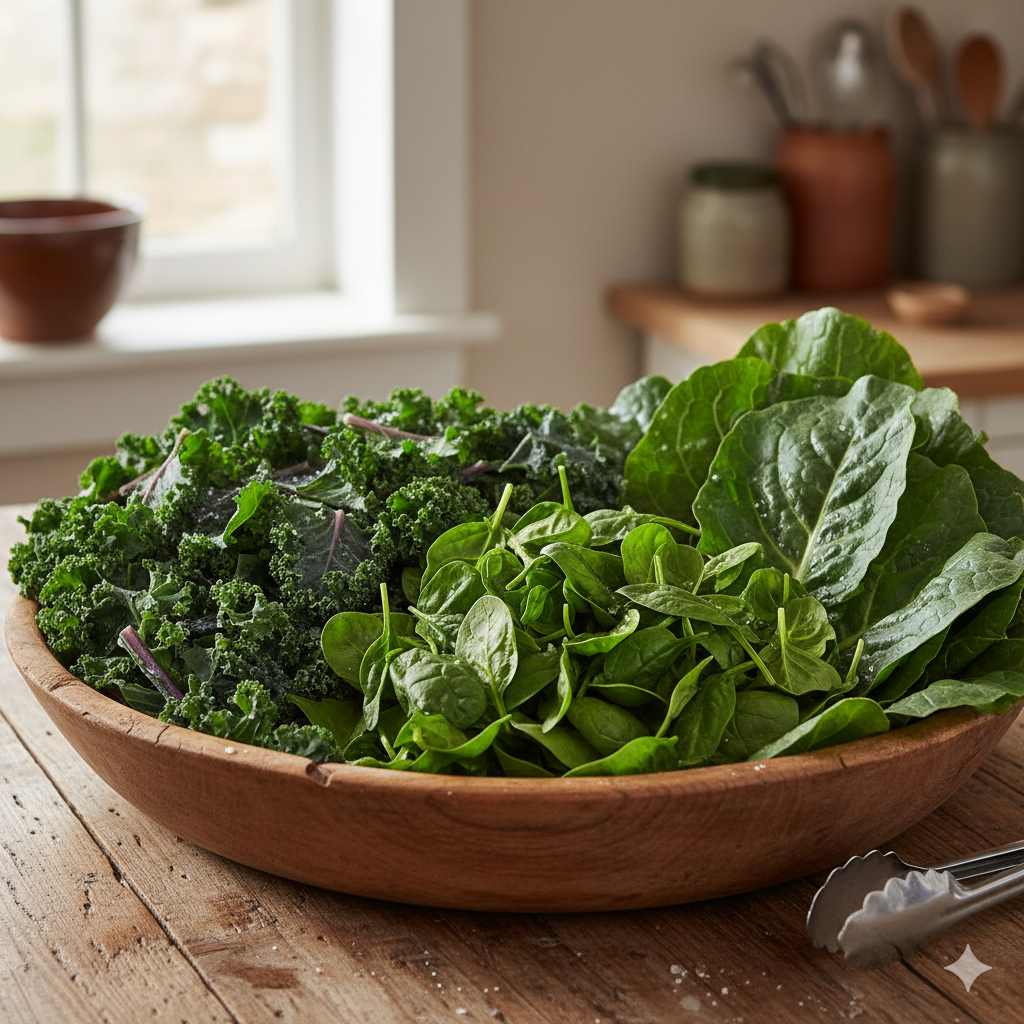
These dark leafy vegetables are packed with lutein and zeaxanthin, two powerful antioxidants that accumulate in the retina, particularly in the macula.
Eye Benefits:
- Filter harmful high-energy blue wavelengths of light
- Reduce risk of chronic eye diseases, including age-related macular degeneration and cataracts
- Protect retinal cells from oxidative damage
Fatty Fish (Salmon, Tuna, Sardines)
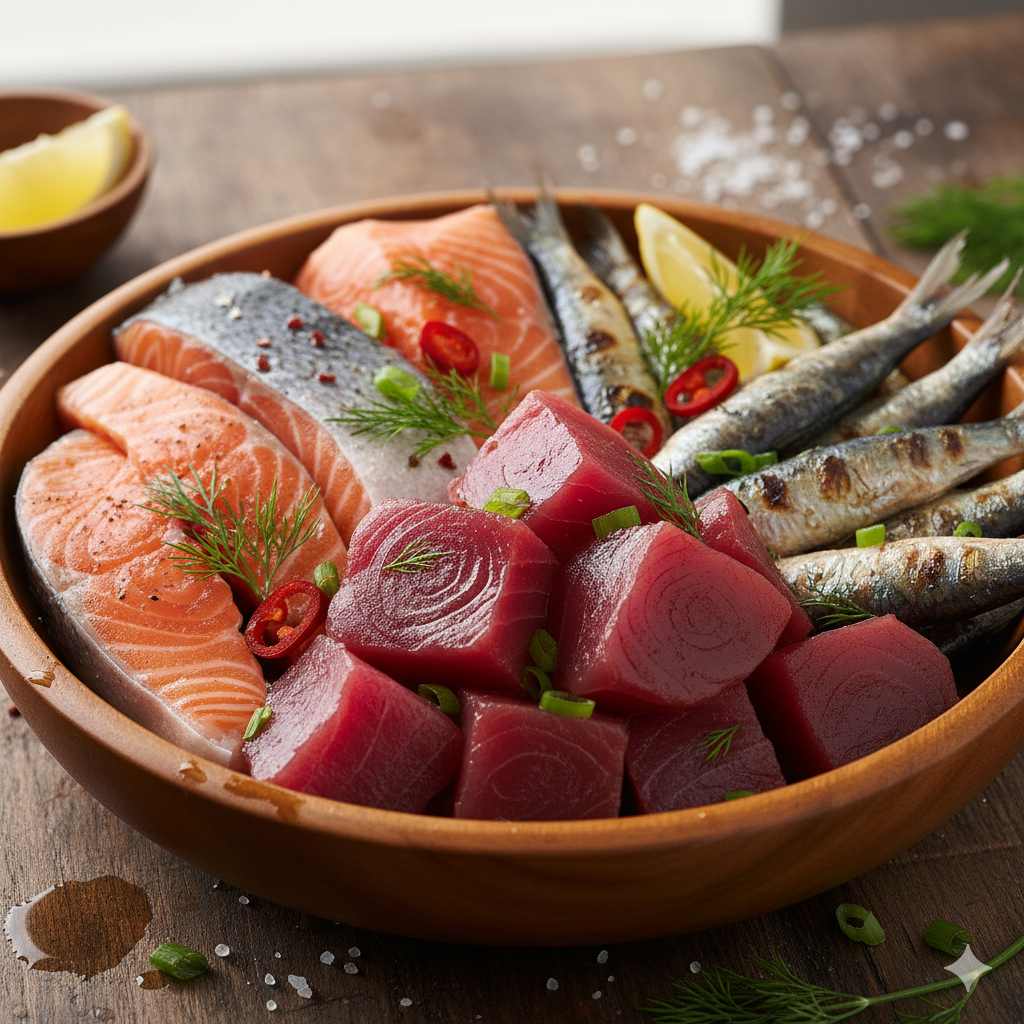
Cold-water fish are rich in omega-3 fatty acids, particularly DHA, which is a major structural component of the retina.
Eye Benefits:
- Help prevent dry eyes by supporting healthy tear production
- Reduce inflammation that can contribute to macular degeneration
- Support retinal function and visual development
Eggs

Egg yolks are excellent sources of lutein, zeaxanthin, vitamin E, and zinc, making them a powerhouse for eye health.
Eye Benefits:
- Increase macular pigment density, protecting against blue light damage
- Zinc helps vitamin A create melanin, a protective pigment in the eyes
- Reduce risk of night blindness and age-related macular degeneration
Citrus Fruits and Berries
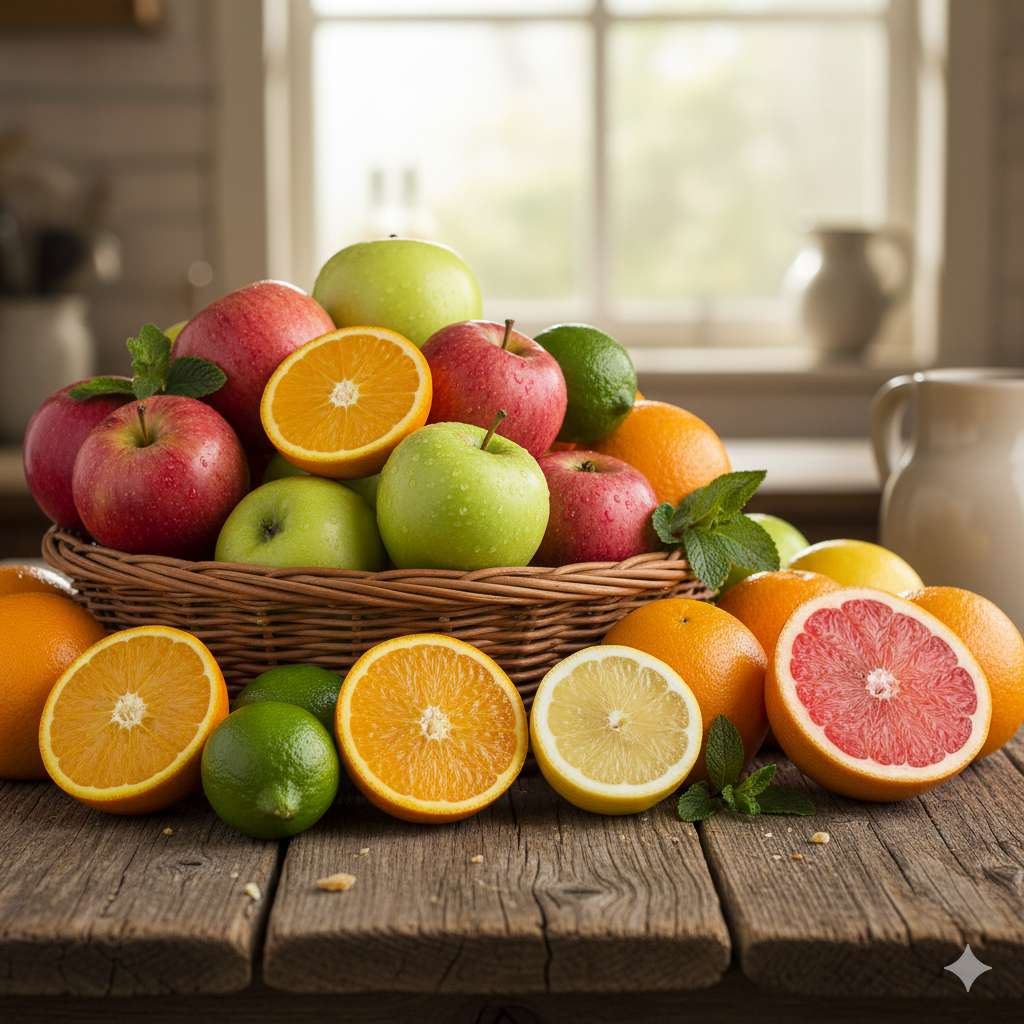
Oranges, lemons, strawberries, and blueberries are packed with vitamin C, a powerful antioxidant critical for eye health.
Eye Benefits:
- Fight age-related ocular damage by neutralizing free radicals
- Support blood vessels in the eyes, reducing risk of cataracts
- Combine with other nutrients to slow progression of macular degeneration
Nuts and Seeds
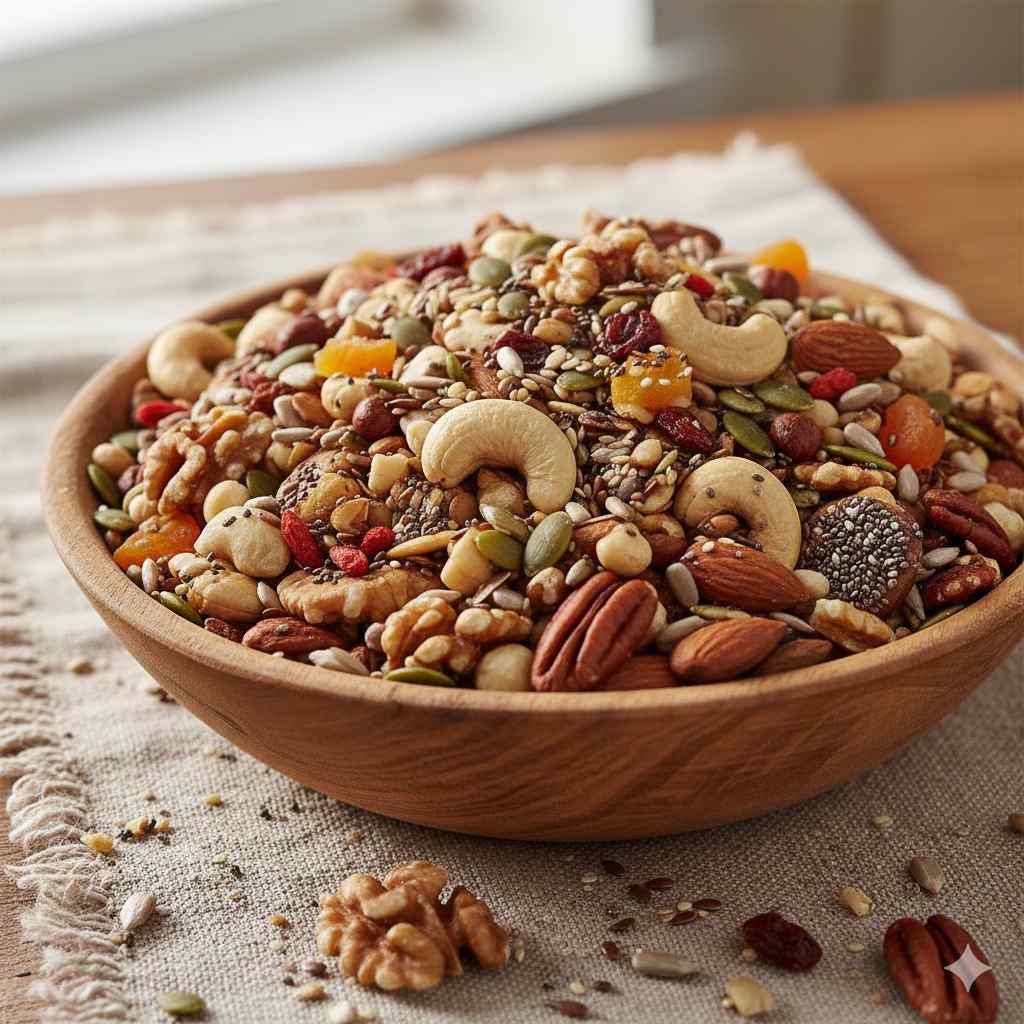
Almonds, walnuts, flaxseeds, and chia seeds are rich in vitamin E and omega-3 fatty acids.
Eye Benefits:
- Vitamin E protects eye cells from free radical damage
- Help prevent age-related macular degeneration and cataracts
- Support overall eye tissue health
Carrots and Sweet Potatoes
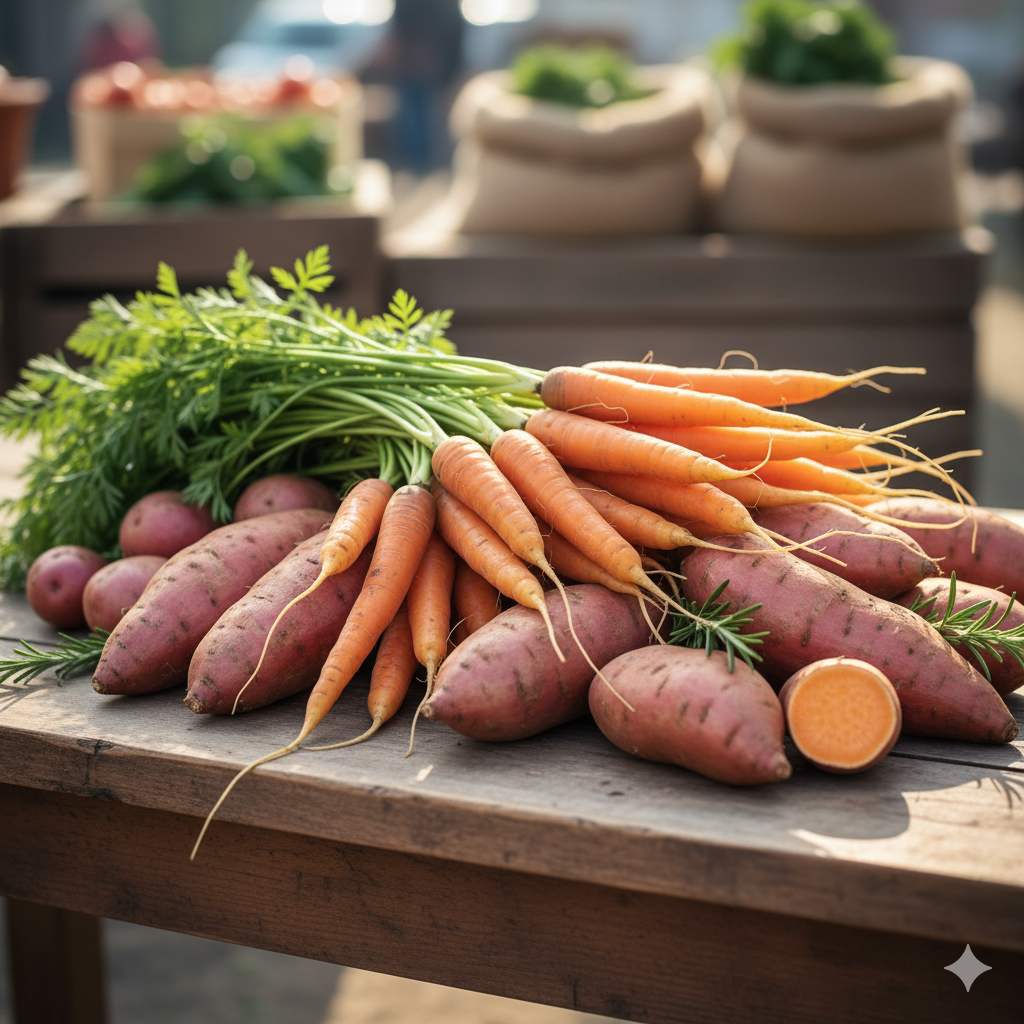
These orange-colored vegetables are famous for their high beta-carotene content, which the body converts to vitamin A.
Eye Benefits:
- Essential for good night vision
- Help the retina absorb light effectively
- Reduce risk of cataracts and macular degeneration
Bell Peppers

Brightly colored bell peppers, especially the red and yellow varieties, are packed with vitamins C and A.
Eye Benefits:
- Protect against cataracts
- Support blood vessels in the eyes, reducing risk of vision problems
- Provide antioxidant protection against UV light damage
Legumes (Beans and Lentils)
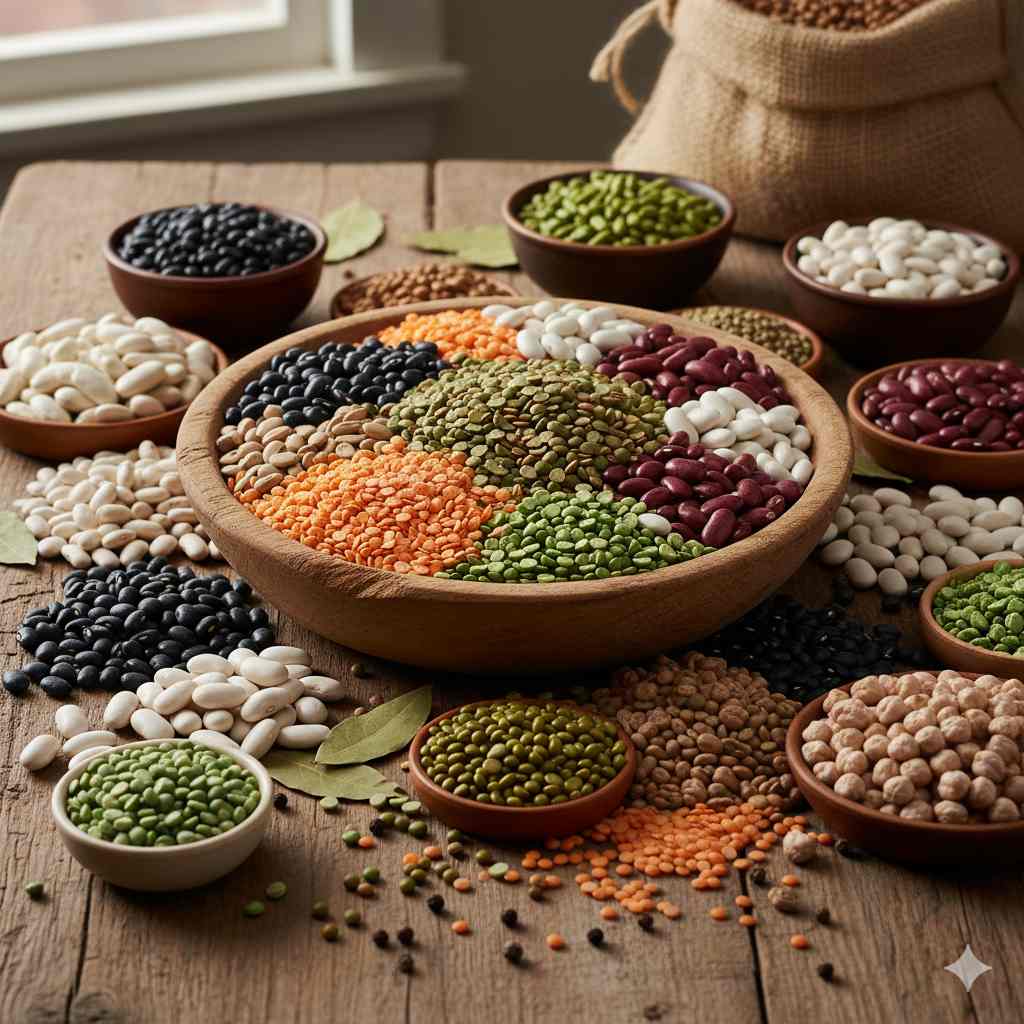
Kidney beans, black-eyed peas, and lentils are excellent plant-based sources of bioflavonoids and zinc.
Eye Benefits:
- Zinc helps transport vitamin A from the liver to the retina
- Protect the retina and lower risk of developing advanced macular degeneration
- Help prevent cataracts and support night vision
Frequently Asked Questions
That's an excellent question, Michael. While some people report minor improvements in symptoms like dry eyes within a few weeks, the primary benefits of these dietary changes are long-term protection. The nutrients build up in your eye tissues over time, creating a protective barrier against age-related damage. Most significant studies showing reduced risk of macular degeneration and cataracts tracked participants' diets over many years. Think of it as a retirement plan for your eyes—the earlier you start, the better protected you'll be later in life.
Sarah, while these foods can't reverse existing macular degeneration, they can significantly slow its progression. The AREDS2 study, a major clinical trial, found that specific combinations of these nutrients (lutein, zeaxanthin, vitamin C, vitamin E, zinc, and omega-3s) can reduce the risk of progression to advanced macular degeneration by about 25%. I always tell my patients that it's never too late to benefit from a healthier diet. Along with regular eye exams and any prescribed treatments, nutritional approaches play a crucial role in managing the condition.
Great question, David. Whole foods generally provide nutrients in their most bioavailable form, along with complementary compounds that enhance absorption. However, for people at high risk of advanced macular degeneration, the AREDS2 formula supplements have proven effective. I typically recommend a food-first approach for prevention, with supplements considered for those with established intermediate macular degeneration or significant risk factors. If you choose supplements, look for ones that contain the AREDS2 formula without beta-carotene (which was removed from the original formula due to increased lung cancer risk in smokers).