How to Encourage Healthy Eating Habits in Children
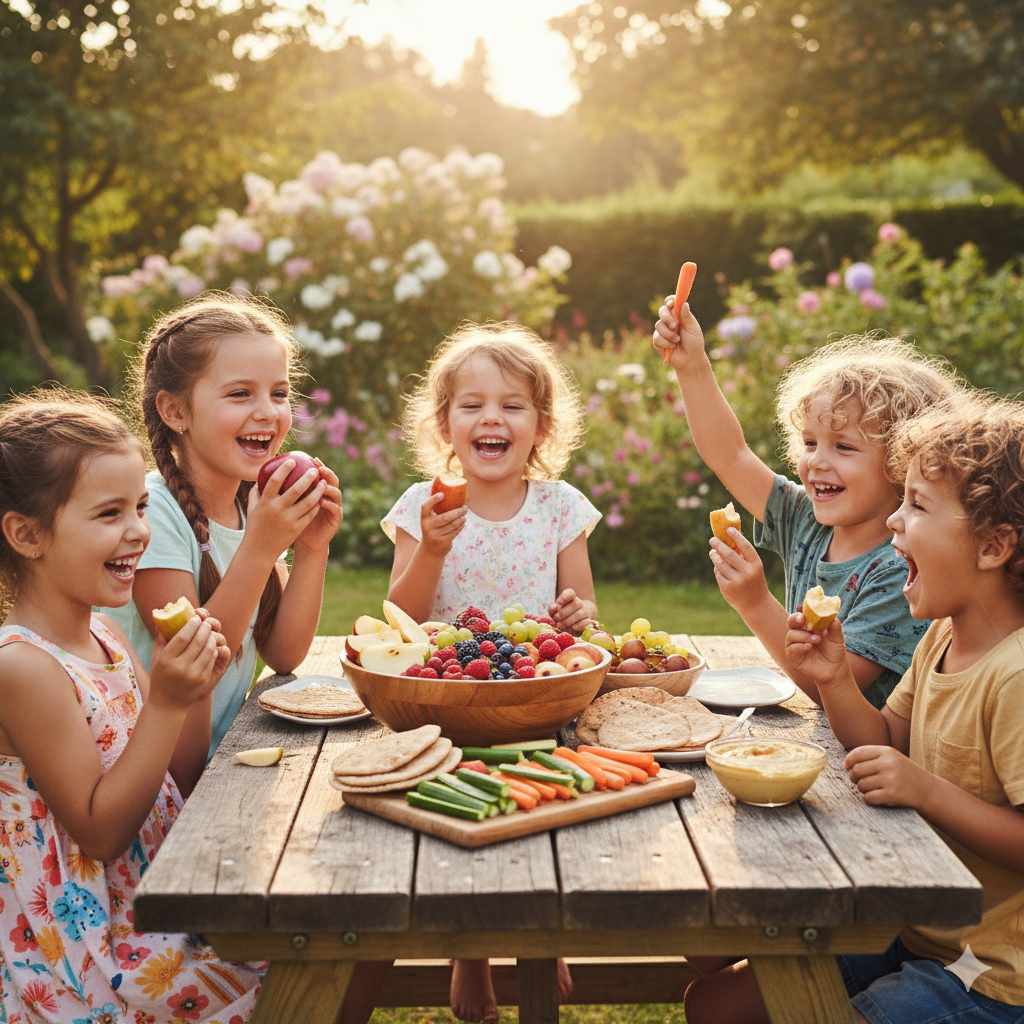
Have you ever watched in awe as a toddler instinctively reaches for a colorful piece of fruit, only to later refuse anything green on their plate? As parents and caregivers, we're often caught in this perplexing dance between our children's natural curiosity about food and their developing preferences. The journey to establishing healthy eating habits is less about strict rules and more about creating an environment where nutritious choices become the natural choice.
Establishing healthy eating patterns in childhood isn't just about preventing obesity or ensuring proper growth—it's about setting the foundation for lifelong wellness that extends far beyond physical health. Research consistently shows that children who develop positive relationships with food early on carry these habits into adulthood, reducing their risk for chronic diseases and promoting better mental health outcomes.
The Foundation: Understanding Childhood Nutrition
Before diving into strategies, it's crucial to understand what constitutes a healthy diet for children. According to the American Academy of Pediatrics, children need a balanced intake of fruits, vegetables, whole grains, lean proteins, and dairy (or dairy alternatives). The key is variety and moderation—not elimination or extreme restriction.
Children's nutritional needs differ from adults in several important ways. They require more fat for brain development, adequate protein for growth, and specific vitamins and minerals like iron, calcium, and vitamin D in precise amounts. Understanding these differences helps us approach feeding with appropriate expectations.
The Division of Responsibility
One of the most evidence-based approaches to feeding children comes from Ellyn Satter's Division of Responsibility. This model clearly defines roles: parents are responsible for what, when, and where food is offered, while children are responsible for whether and how much they eat. This approach respects children's innate ability to self-regulate their intake while ensuring they're exposed to nutritious options.
Age-Appropriate Strategies
For Toddlers (1-3 years)
Toddlers are naturally neophobic—wary of new foods. This is an evolutionary protective mechanism, not stubbornness. The key during this stage is repeated exposure without pressure.
- Offer one familiar food with each meal: This ensures there's always something your child will eat, reducing mealtime stress.
- Serve small portions: A tablespoon per year of age is a good guideline to avoid overwhelming them.
- Embrace the "no thank you" bite: Encourage trying one bite without requiring them to finish anything.
- Make food visually appealing: Use colorful plates, arrange food in fun shapes, and involve them in preparation when possible.
For Preschoolers (3-5 years)
Preschoolers are developing more sophisticated language and reasoning skills, which opens up new opportunities for engagement around food.
- Use descriptive language: Instead of "this is good for you," try "these crunchy carrots help our eyes see better in the dark."
- Create food adventures: Frame new foods as explorations—"today we're trying broccoli, which are like little trees!"
- Establish predictable meal and snack times: Consistency helps children develop natural hunger and fullness cues.
- Involve them in grocery shopping and meal preparation: Children who help prepare foods are more likely to try them.

For School-Age Children (6-12 years)
As children spend more time outside the home, their food influences expand. This stage requires balancing guidance with increasing autonomy.
- Teach basic nutrition concepts: Explain how different foods fuel different activities—protein for muscles, carbs for energy, etc.
- Pack lunches together: Create a "build your own lunch" station with healthy options to choose from.
- Limit sugary drinks: Make water the default beverage and reserve juice or milk for specific times.
- Address peer influence: Discuss how families have different food rules without judgment of others' choices.
Positive Feeding Dynamics
How we feed is as important as what we feed. Creating positive mealtime dynamics prevents power struggles and fosters healthy relationships with food.
Avoid Food as Reward or Punishment
Using dessert as a reward for eating vegetables or withholding food as punishment creates an unhealthy hierarchy of foods and disrupts children's ability to listen to their internal hunger cues. Instead, frame all foods as having different purposes—some for energy, some for growth, and some just for fun.
Family Meals Matter
Research from the University of Illinois shows that children who regularly eat meals with their families consume more fruits and vegetables, have lower rates of obesity, and perform better academically. Aim for at least 4-5 shared meals per week, focusing on connection rather than consumption.
Model, Don't Preach
Children learn more from watching us eat than from anything we say about food. Regularly enjoying a variety of healthy foods yourself is the most powerful teaching tool available.
Expanding Palates While Supporting Self-Regulation
Helping children develop diverse food preferences while maintaining their innate ability to self-regulate intake requires a delicate balance.
The 15-Times Rule
Research suggests it takes an average of 15 exposures to a new food before a child will accept it. Present rejected foods repeatedly without pressure, preparing them in different ways (raw, steamed, roasted) to vary texture and flavor.
Food Chaining
This technique involves gradually introducing new foods that are similar to accepted foods. If your child likes chicken nuggets, try baked chicken strips, then grilled chicken, then other lean proteins prepared similarly.
Trust Their Appetite
Children's appetites naturally fluctuate with growth spurts and activity levels. Allow them to eat according to their hunger, recognizing that some days they'll eat very little while other days they'll seem bottomless.
Frequently Asked Questions
It's common for preschoolers to go through phases of food neophobia (fear of new foods). This is typically a temporary stage, though it can be frustrating. Continue offering a variety of foods alongside their preferred options without pressure. Make mealtimes pleasant and model eating diverse foods yourself. If your child is growing appropriately and has energy for normal activities, there's likely no cause for concern. However, if the limited diet persists beyond a few months or you notice weight loss or other concerning symptoms, consult your pediatrician.
First, reframe your goal from "getting them to eat vegetables" to "repeatedly exposing them to vegetables." The more familiar vegetables become, the more likely children are to eventually try them. Try these evidence-based approaches: involve children in growing, selecting, or preparing vegetables; pair new vegetables with familiar flavors or dips; use positive but realistic language ("these carrots are crunchy and sweet"); and remember that it often takes 15+ exposures before a child accepts a new food. Most importantly, avoid turning vegetable consumption into a power struggle.
Absolutely. In fact, research shows that completely restricting "treat" foods can backfire, leading to overconsumption when children eventually have access to these foods. The American Heart Association recommends that children aged 2-18 consume less than 25 grams (6 teaspoons) of added sugar daily. Rather than banning sweets entirely, incorporate them in moderation as part of an overall balanced diet. You might designate specific times for sweets (like after dinner on weekends) to create structure without deprivation. This approach teaches children how to enjoy all foods in appropriate balance.
Creating a Healthy Food Environment
Beyond individual meals, the overall food environment in your home significantly impacts children's eating habits.
Make Healthy Foods Accessible
Keep washed fruits and cut vegetables at eye level in the refrigerator. Have healthy snacks like whole-grain crackers, nuts (if age-appropriate), and yogurt readily available. Research shows that we eat what we see most often.
Limit Ultra-Processed Foods
While no food needs to be completely off-limits, ultra-processed foods (those with long ingredient lists including additives and preservatives) should be limited. These foods are engineered to override natural fullness signals and can disrupt children's ability to self-regulate intake.
Create Pleasant Mealtime Atmospheres
Turn off screens, set an attractive table, and focus on conversation. Meals should be about nourishment and connection, not consumption targets or behavioral negotiations.
Final Thoughts
Establishing healthy eating habits in children is a marathon, not a sprint. There will be days when your carefully prepared meal ends up on the floor and days when your child surprises you by loving Brussels sprouts. The key is consistency, patience, and maintaining a positive feeding relationship.
Remember that you're not just feeding a child—you're nurturing a future adult with their own relationship to food. By focusing on the process rather than fixating on specific outcomes, you're laying the groundwork for a lifetime of healthy eating habits that extend far beyond the dinner table.