You've seen the ads: "Flush out toxins," "Reset your system," "Lose 10 pounds in a week." Detox diets promise miraculous results, but how many of these claims hold up to scientific scrutiny? As a physician specializing in nutrition, I'm here to separate fact from fiction and reveal what truly supports your body's natural detoxification processes.
Your Body's Built-In Detox System
Before we explore specific detox methods, it's crucial to understand that your body comes equipped with its own sophisticated detoxification system. Your liver, kidneys, digestive system, skin, and lungs work together around the clock to neutralize and eliminate harmful substances.
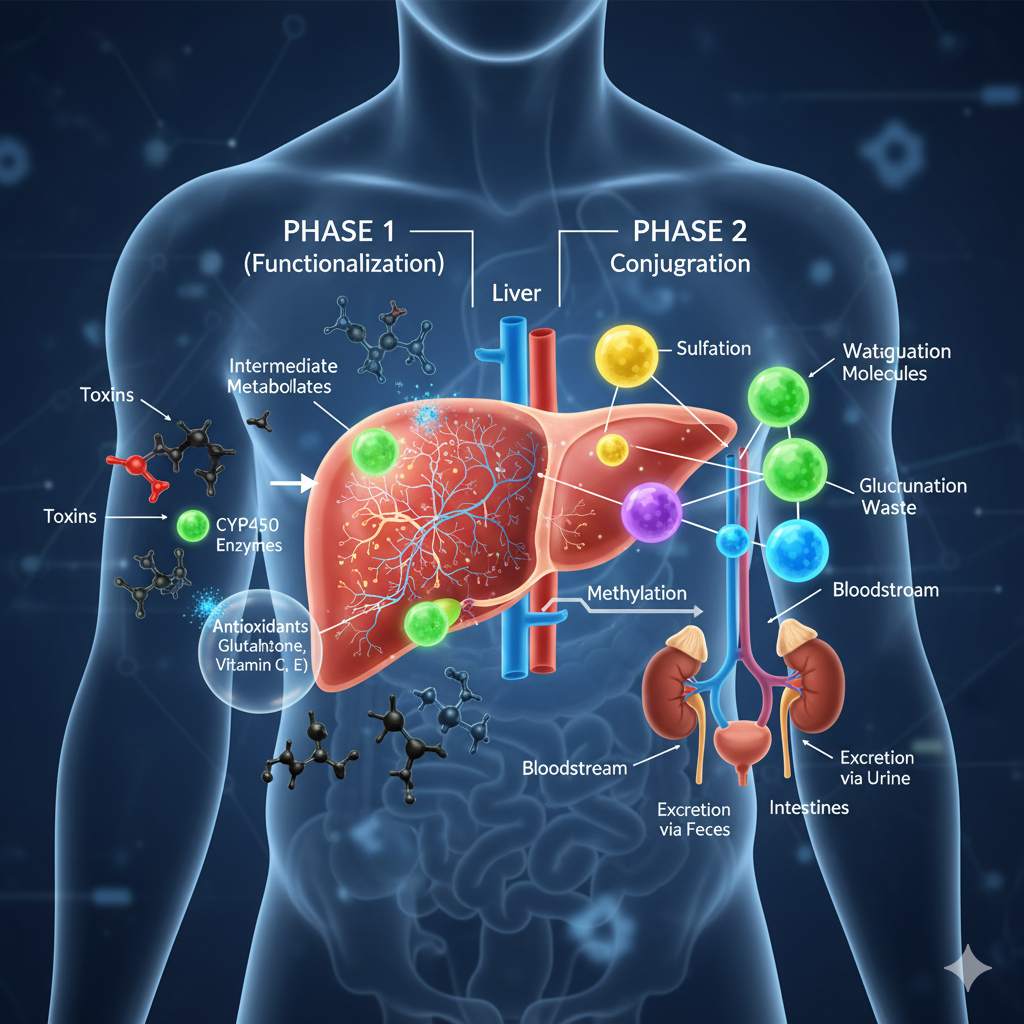
The liver is your primary detox organ, processing toxins through a two-phase system. In phase one, enzymes break down toxins into less harmful substances. In phase two, these substances are combined with other molecules to make them water-soluble, allowing for excretion through urine or bile.
Your kidneys filter your blood, removing waste products and excess substances. Your digestive system eliminates toxins through feces, while your skin releases toxins through sweat. The lungs filter airborne toxins and expel carbon dioxide.
Key Insight: Your body is designed to detoxify itself continuously. The goal shouldn't be to "restart" this system but to support its natural function.
Detox Methods: Science vs. Hype
What Actually Works
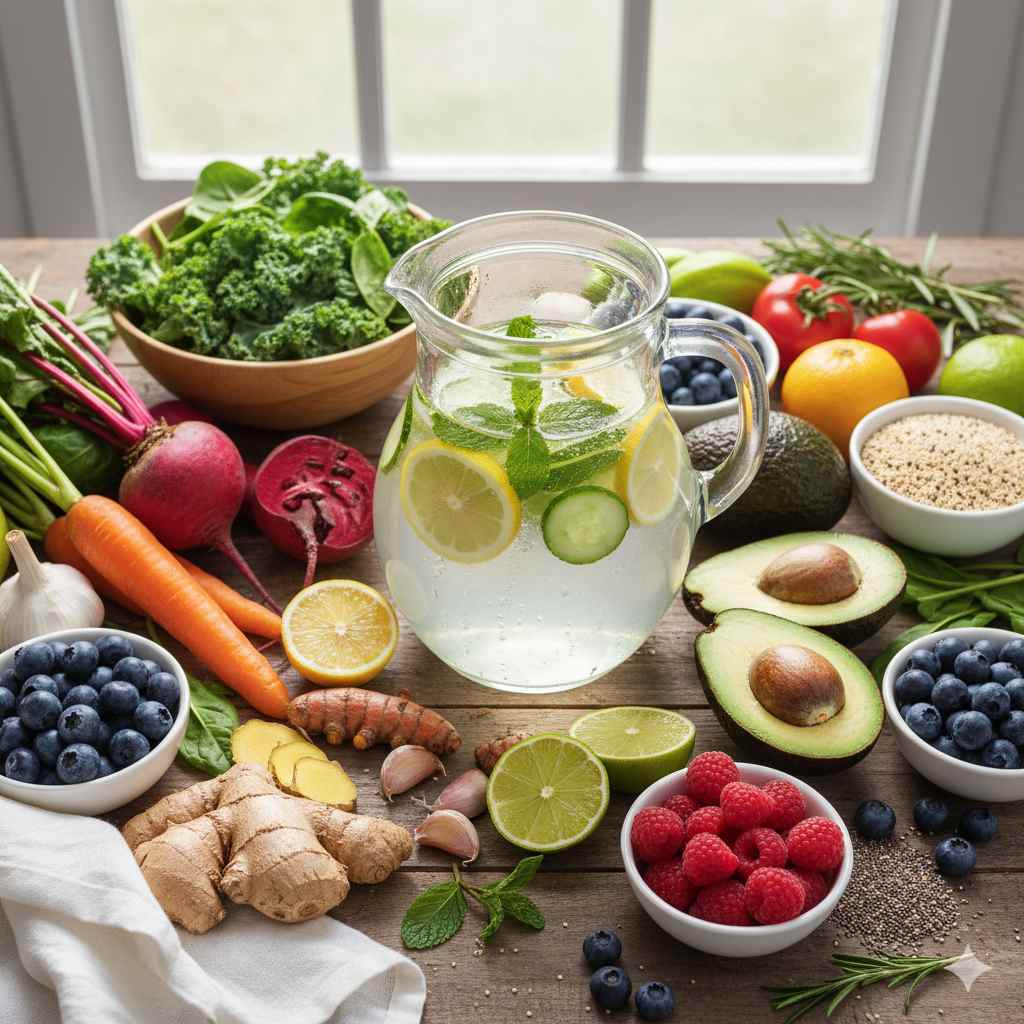
Evidence-based approaches to supporting detoxification focus on providing your body with the nutrients it needs to function optimally:
- Hydration: Adequate water intake supports kidney function and helps flush water-soluble toxins. Aim for 8-10 glasses daily, more if you're active.
- Fiber-rich foods: Soluble and insoluble fiber help bind to toxins in the digestive tract and promote regular elimination. Excellent sources include fruits, vegetables, whole grains, and legumes.
- Cruciferous vegetables: Broccoli, cauliflower, kale, and Brussels sprouts contain compounds like glucosinolates that support liver detoxification enzymes.
- Adequate protein: Protein provides amino acids necessary for phase two liver detoxification. Include lean sources like fish, poultry, legumes, and tofu.
- Antioxidant-rich foods: Berries, dark leafy greens, nuts, and seeds provide antioxidants that protect cells from damage during detoxification processes.
What to Avoid
Many popular detox approaches lack scientific backing and may even be harmful:
- Extreme fasting or juice cleanses: These can cause nutrient deficiencies, muscle loss, fatigue, and may actually impair liver function due to protein deficiency.
- Colon cleanses: These can disrupt natural gut bacteria, cause electrolyte imbalances, and in rare cases, lead to perforation of the colon.
- Detox supplements with questionable ingredients: Many contain laxatives, diuretics, or unproven herbal blends that may stress rather than support your organs.
- Saunas for "sweating out toxins": While saunas have health benefits, research shows they eliminate minimal toxins compared to your liver and kidneys.
Evidence-Based Strategies for Supporting Detoxification
Instead of extreme detox diets, incorporate these sustainable habits:
- Prioritize sleep: During sleep, your brain's glymphatic system clears waste products. Aim for 7-9 hours of quality sleep nightly.
- Reduce toxin exposure: Choose organic produce when possible, filter your water, avoid plastic food containers, and use natural cleaning products.
- Support gut health: A healthy gut microbiome helps process and eliminate toxins. Include fermented foods and prebiotic fibers in your diet.
- Exercise regularly: Physical activity improves circulation and supports lymphatic drainage, both important for detoxification.
- Limit alcohol: Your liver prioritizes metabolizing alcohol, which can slow down other detoxification processes.
Professional Recommendation: The most effective "detox" is a long-term commitment to a balanced diet rich in fruits, vegetables, whole grains, and lean proteins, combined with adequate hydration, regular exercise, and quality sleep.
Frequently Asked Questions
Yes, several foods are particularly beneficial for liver health. Cruciferous vegetables like broccoli, Brussels sprouts, and cauliflower contain compounds that activate liver detoxification enzymes. Beets are rich in antioxidants that protect liver cells. Walnuts provide glutathione and omega-3 fatty acids that support natural liver cleansing. Turmeric helps boost production of bile, which carries toxins out of the liver. And green tea contains catechins that improve liver function markers.
Your body is constantly detoxifying, so there's no set timeframe. The rate depends on the specific toxin, your overall health, and your exposure level. Water-soluble toxins can be eliminated in hours to days, while fat-soluble toxins stored in tissues may take weeks to months to reduce significantly. Supporting your body's natural detox systems with proper nutrition, hydration, and lifestyle habits ensures this process happens as efficiently as possible.
While some people report symptoms like headaches, fatigue, or irritability during detox programs, these are often signs of dehydration, low blood sugar, caffeine withdrawal, or electrolyte imbalance - not evidence of "toxins leaving the body." A properly supported detox should not cause significant discomfort. If you're experiencing these symptoms, it may indicate your approach is too extreme or lacking in essential nutrients. Always listen to your body and consult a healthcare provider if symptoms persist.