Creating a Healthy Home Environment: Your Living Space as Medicine
Have you ever noticed how some spaces instantly make you feel calm, focused, and revitalized, while others leave you feeling drained, anxious, or restless? It's not just in your imagination—your living environment exerts a powerful influence on your physical health, mental clarity, and emotional wellbeing.
As a physician specializing in environmental medicine, I've seen firsthand how simple changes to home environments can dramatically improve sleep quality, reduce stress hormones, boost immune function, and even enhance cognitive performance. The scientific evidence is clear: our homes are not just shelters, but active participants in our health journey.
The Science of Space and Health
Research from Harvard's T.H. Chan School of Public Health reveals that people in well-ventilated offices with below-average levels of indoor pollutants and carbon dioxide show significantly higher cognitive functioning. Similarly, studies demonstrate that exposure to natural light regulates circadian rhythms, improving sleep quality by up to 46% according to research published in Sleep Health Journal.
Optimizing Your Home's Air Quality
Indoor air can be 2-5 times more polluted than outdoor air, according to the EPA. This is concerning since we spend approximately 90% of our time indoors. Poor indoor air quality has been linked to headaches, fatigue, respiratory issues, and worsened allergy symptoms.
Here are evidence-based strategies to improve your home's air quality:
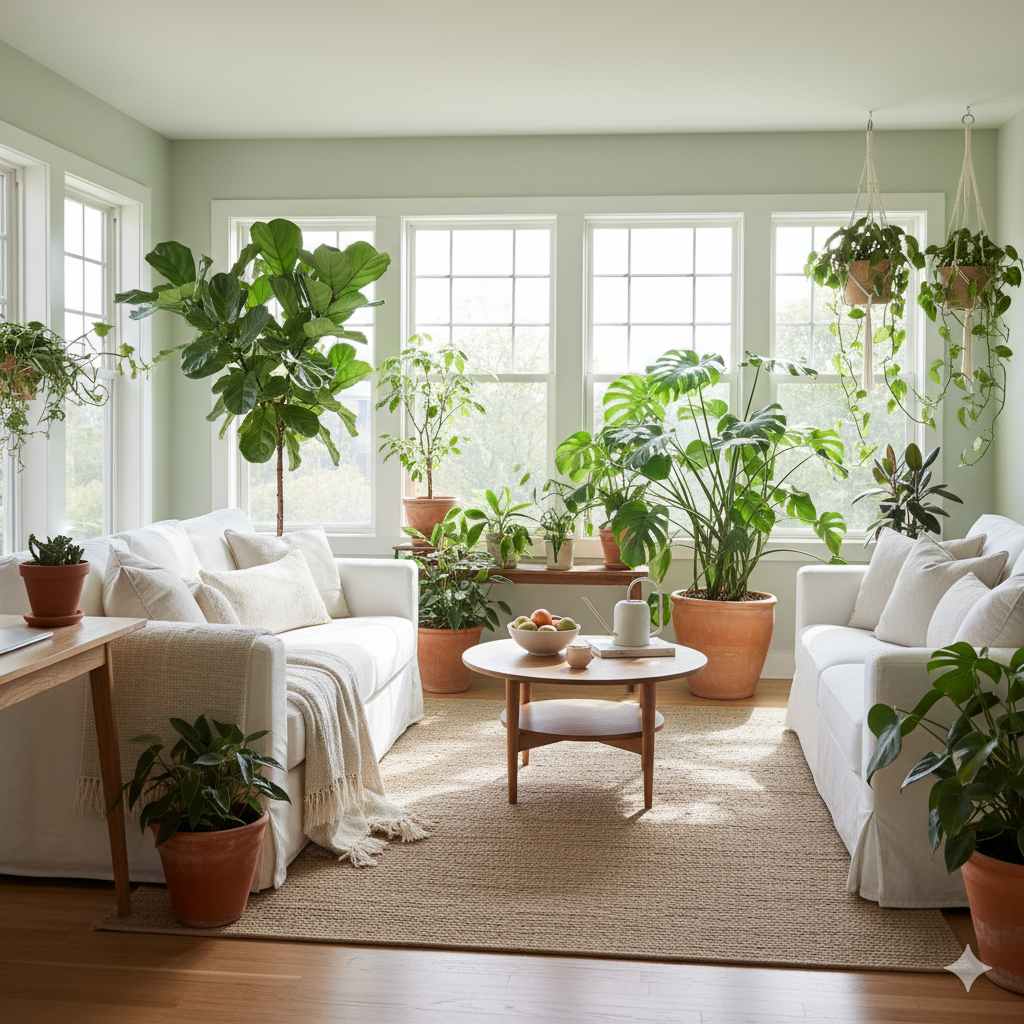
- Incorporate houseplants: NASA's Clean Air Study identified several plants that effectively remove common volatile organic compounds (VOCs). English ivy, peace lily, and snake plants are particularly effective at filtering formaldehyde, benzene, and trichloroethylene.
- Use HEPA filters: High-Efficiency Particulate Air filters can remove at least 99.97% of dust, pollen, mold, bacteria, and other airborne particles. Place them in bedrooms and living areas for maximum benefit.
- Control humidity levels: Maintain indoor humidity between 30-50% to discourage mold growth and dust mites. Dehumidifiers in damp areas and proper ventilation in bathrooms and kitchens are essential.
- Choose low-VOC products: When painting or purchasing new furniture, opt for low-VOC or no-VOC options to minimize off-gassing of harmful chemicals.
- Ventilate regularly: Open windows for at least 10-15 minutes daily, even in winter, to flush out accumulated indoor pollutants.
Harnessing Light for Better Health
Light is a powerful biological signal that regulates our sleep-wake cycles, hormone production, and mood. The right lighting can make the difference between restful sleep and chronic insomnia, between daytime alertness and persistent fatigue.
Optimize your home's lighting with these research-backed approaches:
- Maximize natural light exposure: Position workspaces and seating areas near windows. A study in the Journal of Clinical Sleep Medicine found that office workers with more natural light exposure slept 46 minutes longer per night on average.
- Use full-spectrum bulbs: These bulbs mimic natural sunlight and can help regulate circadian rhythms, especially during darker winter months.
- Install dimmers: Gradually reducing light intensity in the evening helps signal to your brain that it's time to wind down for sleep.
- Limit blue light after sunset: Use blue light filters on electronic devices or wear blue-blocking glasses in the evening to protect melatonin production.
- Create layered lighting: Combine ambient, task, and accent lighting to reduce eye strain and create a more comfortable visual environment.
The Psychology of Space and Organization
Clutter isn't just an aesthetic issue—it's a cognitive one. Research from Princeton University Neuroscience Institute reveals that physical clutter competes for your attention, resulting in decreased performance and increased stress. An organized environment, by contrast, promotes mental clarity and reduces cortisol levels.
Transform your space into a sanctuary with these organizational strategies:
- Implement the "one in, one out" rule: For every new item brought into your home, remove one similar item to prevent accumulation.
- Create designated homes for items: Reduce decision fatigue by having specific places for commonly used objects.
- Adopt minimalism in high-stress areas: Keep bedrooms and workspaces particularly clutter-free to support relaxation and focus.
- Use calming color palettes: Soft blues, greens, and neutral tones have been shown to lower blood pressure and reduce anxiety.
- Incorporate natural elements: Wood, stone, and other natural materials have been associated with reduced stress responses in multiple studies.
The Sleep Sanctuary
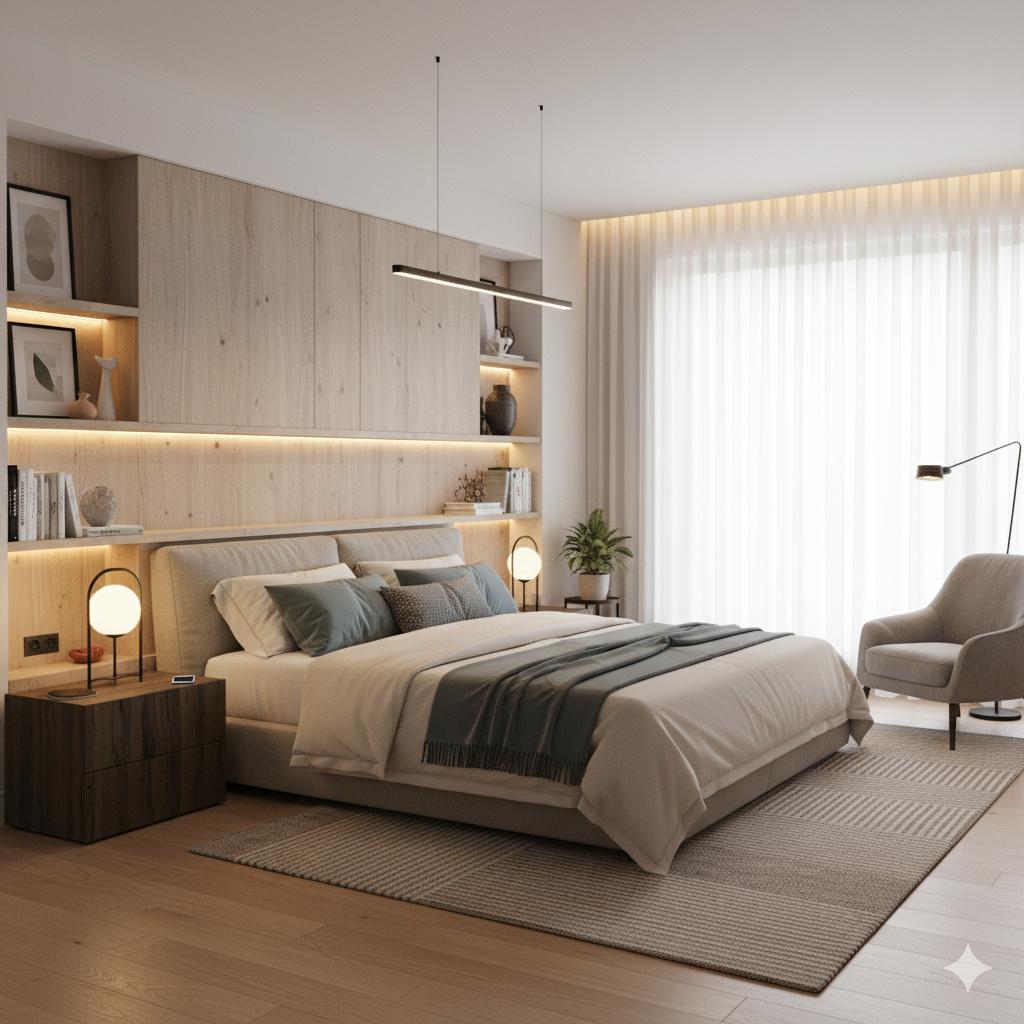
Your bedroom should be optimized exclusively for sleep and intimacy. Keep electronics out, maintain a cool temperature (around 65°F or 18°C), use blackout curtains, and consider a white noise machine if needed. These adjustments can significantly improve sleep efficiency—the percentage of time in bed actually spent sleeping—which directly impacts next-day cognitive performance and mood.
Creating Multi-Sensory Healing Spaces
A truly healthy home engages all the senses positively. Beyond what we see, consider how your home sounds, smells, and feels:
- Soundscape: Minimize disruptive noises with rugs, curtains, and weather stripping. Consider gentle background sounds like water features or soft music to mask jarring noises.
- Aromatherapy: Essential oils like lavender (shown to reduce anxiety in clinical trials) and lemon (associated with improved mood) can create positive sensory associations.
- Tactile experience: Incorporate varied textures through textiles—soft blankets, supportive cushions, and natural fiber rugs contribute to physical comfort.
- Biophilic design: Incorporating elements of nature into built environments has been shown to reduce stress, improve cognitive function, and enhance mood.
Frequently Asked Questions
How quickly can I expect to see health benefits after improving my home environment?
Some benefits can appear remarkably quickly. Improved air quality can reduce allergy symptoms within days. Better lighting often improves sleep quality within the first week. Organizational changes that reduce visual clutter can lower perceived stress almost immediately. However, some benefits—like sustained improvements in sleep architecture or long-term reductions in inflammatory markers—may take several weeks to months to fully manifest. Consistency is key to achieving the cumulative benefits of a health-supportive home environment.
What's the most impactful change I can make if I'm on a tight budget?
Prioritize improving your sleep environment first, as sleep impacts virtually every aspect of health. This doesn't require significant expense: ensure your bedroom is dark (use an eye mask if needed), quiet (earplugs are inexpensive), and cool. Next, focus on air quality by introducing a few proven air-purifying plants like snake plants or peace lilies, which are inexpensive and low-maintenance. Finally, dedicate 15 minutes daily to decluttering one small area—this costs nothing but can significantly reduce stress. These three no-to-low-cost interventions can deliver substantial benefits without straining your budget.
Are "smart home" devices actually beneficial for health, or just gadgets?
When selected thoughtfully, certain smart home devices can genuinely support health. Smart thermostats that maintain optimal sleeping temperatures, air quality monitors that alert you to ventilation needs, and smart lights that automatically adjust color temperature throughout the day to support circadian rhythms can all provide health benefits. However, be mindful of devices that might increase screen time or disrupt sleep with notifications. The key is choosing technology that works quietly in the background to support—not complicate—your healthy home environment.