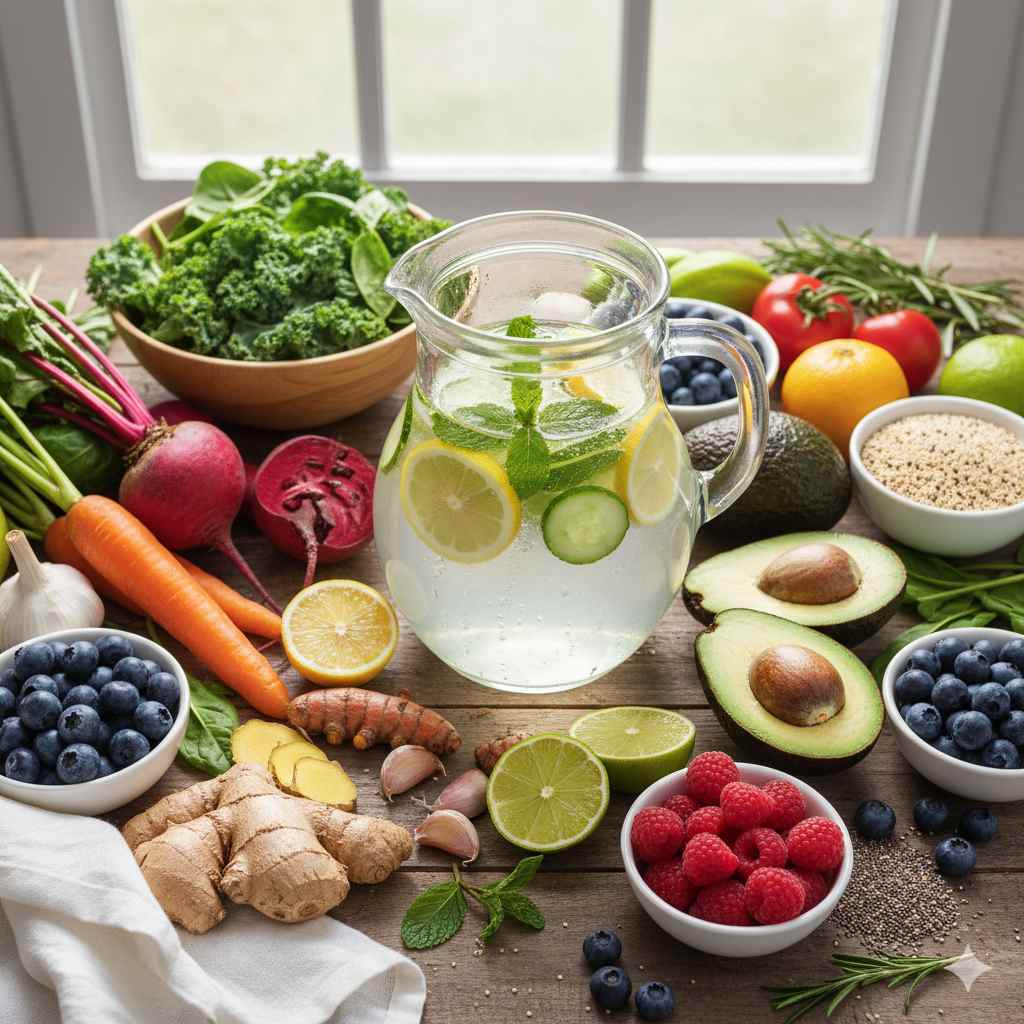
What if I told you that the secret to fighting chronic disease might be hiding in your kitchen? The foods we eat daily can either fuel inflammation or help extinguish it. Let's explore the powerful anti-inflammatory foods that science says should be on your plate every week.
Chronic inflammation is like a slow-burning fire inside your body, contributing to numerous age-related diseases from arthritis to heart disease and even cognitive decline. But here's the good news: your dietary choices can significantly modulate these inflammatory responses. By incorporating specific foods into your weekly meal planning, you can systematically reduce inflammation and protect your long-term health.
The Science Behind Food and Inflammation
Before we dive into the specific foods, it's important to understand how they work. Inflammation is your body's natural defense mechanism against injury and infection. But when this response becomes chronic, it damages healthy cells and tissues. Many modern foods—especially processed items high in sugar and unhealthy fats—promote this damaging chronic inflammation.
Anti-inflammatory foods work through various mechanisms. Some contain antioxidants that neutralize free radicals, while others provide compounds that directly interfere with inflammatory pathways in the body. The most powerful approach is to create an eating pattern rich in these foods, creating a synergistic effect that systematically reduces inflammation over time.
Top Anti-Inflammatory Foods to Eat Weekly
Fatty Fish
Salmon, mackerel, sardines, and anchovies are rich in omega-3 fatty acids EPA and DHA, which your body converts into powerful anti-inflammatory compounds called resolvins and protectins.
Berries
Blueberries, strawberries, raspberries, and blackberries contain anthocyanins, antioxidants that reduce inflammation and may decrease disease risk.
Leafy Greens
Spinach, kale, and collard greens are packed with vitamins, minerals, and antioxidants that combat inflammation. They're particularly rich in vitamin K, which has anti-inflammatory properties.
Turmeric
This golden spice contains curcumin, a potent anti-inflammatory compound. Pair it with black pepper to enhance absorption.
Extra Virgin Olive Oil
A cornerstone of the Mediterranean diet, olive oil contains oleocanthal, which has effects similar to ibuprofen in reducing inflammation.
Nuts and Seeds
Almonds, walnuts, flaxseeds, and chia seeds provide healthy fats, fiber, and antioxidants that help reduce inflammatory markers.
Creating an Anti-Inflammatory Eating Pattern
Simply adding one or two anti-inflammatory foods to an otherwise poor diet won't yield significant results. The key is to build an overall eating pattern that systematically reduces inflammation. This means:
Prioritize Plants
Fill at least two-thirds of your plate with vegetables, fruits, whole grains, beans, nuts, and seeds. These foods are naturally rich in antioxidants and anti-inflammatory compounds.
Choose Healthy Fats
Replace saturated and trans fats with unsaturated fats from sources like olive oil, avocados, nuts, and fatty fish.
Limit Processed Foods
Processed foods often contain refined carbohydrates, added sugars, and unhealthy fats that promote inflammation. Focus on whole, minimally processed foods instead.
Spice It Up
Herbs and spices like turmeric, ginger, garlic, and cinnamon not only add flavor but also provide powerful anti-inflammatory compounds.
Sample Anti-Inflammatory Weekly Meal Plan
To make this practical, here's a sample of how you might incorporate these foods throughout your week:
Monday: Salmon with quinoa and roasted broccoli
Tuesday: Lentil soup with turmeric and spinach
Wednesday: Chicken stir-fry with colorful vegetables and ginger
Thursday: Mediterranean bowl with chickpeas, olives, and olive oil dressing
Friday: Berry smoothie with flaxseeds and Greek yogurt
Weekend: Experiment with new anti-inflammatory recipes featuring the foods listed above
Frequently Asked Questions
Most people begin to notice improvements in energy levels, digestion, and joint comfort within 2-4 weeks. However, significant changes in inflammatory markers can take several months. Consistency is key—this is a long-term approach to health, not a quick fix.
While no single food needs to be completely eliminated forever, the most inflammatory foods include processed meats, refined carbohydrates (white bread, pastries), fried foods, sugar-sweetened beverages, and excessive alcohol. The goal is to minimize these while maximizing anti-inflammatory foods.
Supplements can be helpful in certain situations, but they don't provide the full spectrum of benefits that whole foods offer. Whole foods contain a complex matrix of nutrients, fiber, and phytochemicals that work together synergistically. Think of supplements as complementary, not replacements.
The Bottom Line
Chronic inflammation doesn't develop overnight, and neither will the benefits of an anti-inflammatory diet. But by consistently incorporating these powerful foods into your weekly eating pattern, you're taking proactive steps to protect your health for years to come. Remember, the goal isn't perfection—it's progress. Start with one or two changes this week, and build from there.
Your body has an incredible capacity to heal when given the right tools. And many of those tools are waiting for you at your local market, just waiting to be transformed into delicious, inflammation-fighting meals.